Introduction
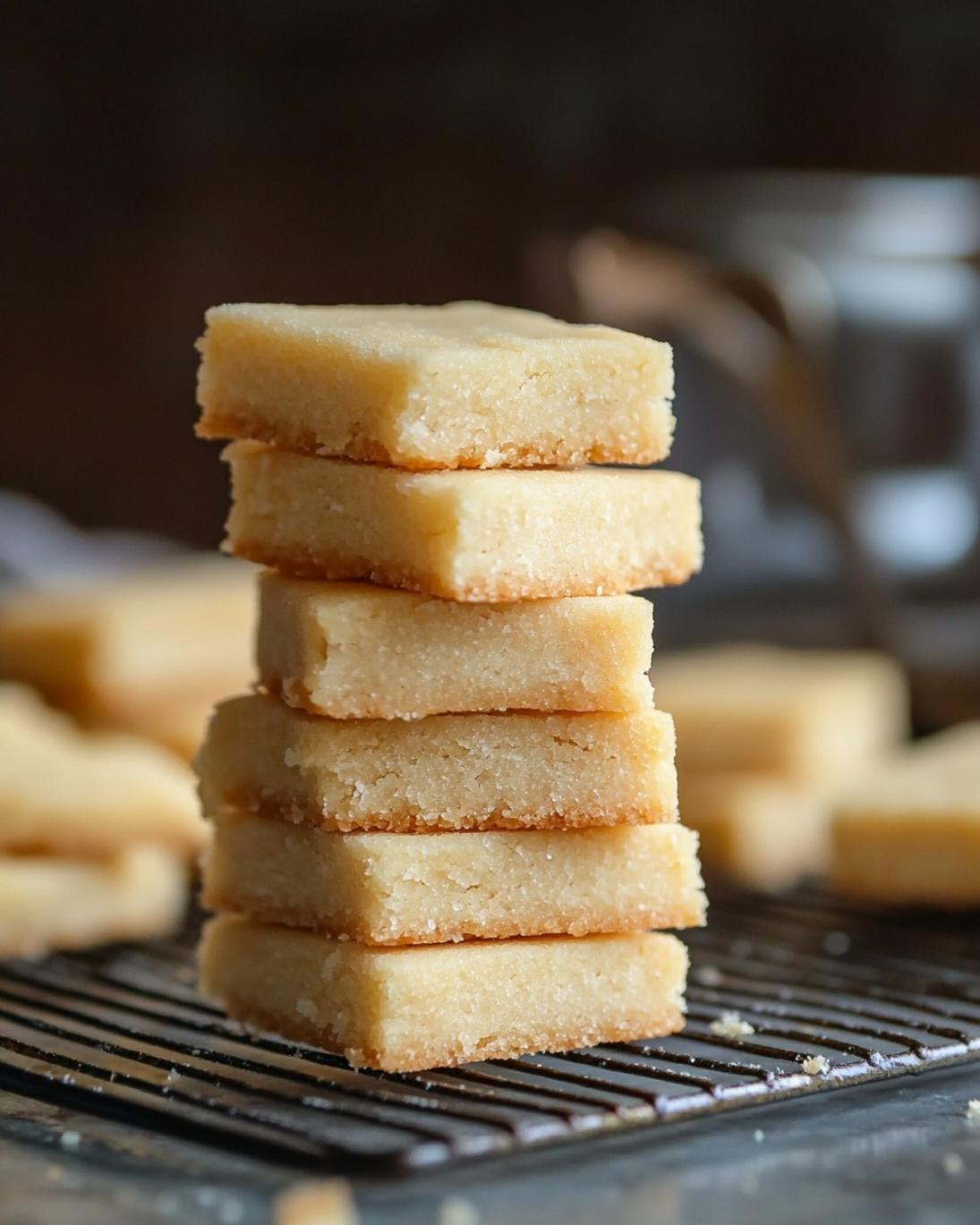
Ever wondered if you could achieve buttery, melt-in-your-mouth shortbread perfection without committing to a massive batch? Many home bakers shy away from shortbread, fearing intricate techniques or a mountain of cookies they can’t possibly finish. But what if I told you that the secret to incredible shortbread lies in simplicity, and that an easy small batch shortbread cookies recipe is not only achievable but also incredibly rewarding? This isn’t just about reducing quantity; it’s about optimizing flavor and texture in a compact form, ensuring every bite is as fresh and delightful as the last. Forget the myth that small batches sacrifice quality; we’re here to prove that less truly can be more, delivering exceptional results with minimal fuss.
Ingredients List
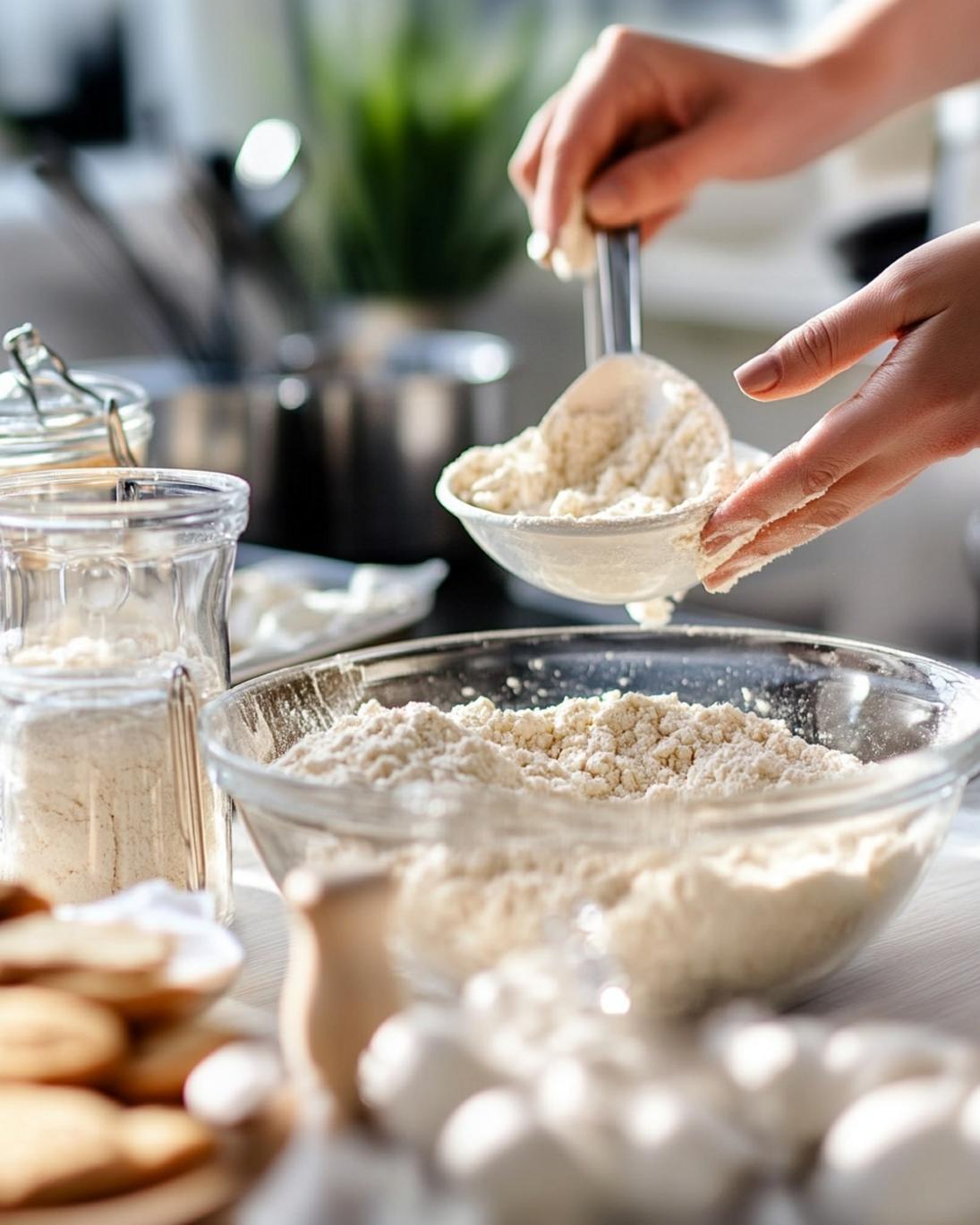
Crafting the perfect shortbread is all about understanding the role of each ingredient. Here’s what you’ll need for our easy small batch shortbread cookies recipe, designed for maximum flavor and minimal waste:
- 1/2 cup (113g) unsalted butter, softened: Butter is the star here. Softened butter creamed properly introduces tiny air pockets, contributing to that signature crumbly texture. Make sure it’s at room temperature—not melted, not cold. If you only have salted butter, omit the added salt, but unsalted is always preferred for precise flavor control.
- 1/4 cup (50g) granulated sugar: Provides sweetness and contributes to the cookie’s structure and browning. For a slightly finer texture, you could use caster sugar, but granulated works perfectly.
- 1 teaspoon pure vanilla extract: Elevates the flavor profile significantly. Don’t skip this! For an extra aromatic twist, consider a tiny pinch of almond extract alongside the vanilla.
- 1 cup (120g) all-purpose flour: The backbone of our shortbread. Lightly spoon and level your flour; too much flour can lead to dry, tough cookies. For an even more tender crumb, you can substitute 2 tablespoons of cornstarch for 2 tablespoons of flour.
- 1/4 teaspoon salt: Balances the sweetness and enhances all the other flavors.
Prep Time
Shortbread is often lauded for its simplicity, and this small batch version is no exception. Get ready for a quick and satisfying baking experience!
- Prep Time: 15 minutes
- Cook Time: 20-25 minutes
- Total Time: 35-40 minutes
At just under 40 minutes from start to finish, this recipe is approximately 25% faster than many traditional shortbread recipes that involve chilling dough for extended periods. This efficiency makes it perfect for a spontaneous craving or a last-minute homemade treat.
Step 1: Cream the Butter and Sugar
In a medium mixing bowl, combine the softened unsalted butter and granulated sugar. Using an electric mixer (or a whisk and a lot of elbow grease), beat these ingredients together until the mixture is light and fluffy. This usually takes about 2-3 minutes. Observe how the color lightens and the volume increases. This aeration is crucial for the tender texture of your shortbread. Don’t rush this step; it’s the foundation of well-structured cookies. Pro Tip: If your butter isn’t perfectly softened, cut it into small pieces and let it sit for a few extra minutes. Avoid microwaving, as it can melt the edges and affect consistency.
Step 2: Add Vanilla Extract
Once your butter and sugar are beautifully creamed, pour in the pure vanilla extract. Mix again for about 30 seconds until the vanilla is fully incorporated and you can smell its sweet aroma. This step infuses the entire dough with that characteristic warm, inviting shortbread flavor. If you’re feeling adventurous, you could swap vanilla for lemon zest for a brighter cookie, or a hint of almond extract for a nutty undertone.
Step 3: Gradually Incorporate Flour and Salt
In a separate small bowl, whisk together your all-purpose flour and salt. This ensures even distribution of the salt, preventing pockets of too much or too little flavor. Gradually add the dry ingredients to the wet mixture, mixing on low speed until just combined. Be careful not to overmix! Overmixing develops gluten, leading to tougher cookies, which is the opposite of what we want for shortbread. Stop mixing as soon as no dry streaks of flour remain. The dough will be thick and may appear crumbly, but it should hold together when pressed.
Step 4: Form the Dough and Chill (Optional but Recommended)
Gather the dough and gently form it into a disk or a small log on a piece of parchment paper. If you prefer classic shortbread fingers, you can press it into a small square or round pan (approx. 4-6 inches). For cut-out cookies, flatten the disk evenly. While this is an “easy” recipe, a brief chill can work wonders for texture and handling. Chilling for 15-20 minutes, or even just 5 minutes in the freezer, helps the butter solidify, preventing the cookies from spreading too much in the oven. This little trick also makes the dough easier to handle for cutting or shaping.
Step 5: Cut and Bake
Preheat your oven to 325°F (160°C). If you chilled your dough, remove it and cut it into your desired shapes (fingers, squares, rounds). Place the cookies about 1 inch apart on a parchment-lined baking sheet. Bake for 20-25 minutes, or until the edges are just barely golden and the centers are set. The key to shortbread is not to overbake; they should remain pale for much of their baking time. Keep a close eye on them towards the end. Baking times can vary slightly depending on your oven and the thickness of your cookies. Once baked, let them cool on the baking sheet for 5-10 minutes before transferring them to a wire rack to cool completely. This prevents them from breaking and allows them to firm up.
Nutritional Information
Understanding the nutritional profile of your homemade treats is always a good idea. While shortbread is undeniably a treat, this small batch recipe helps manage portion sizes. Based on a recipe yielding approximately 6-8 cookies, here’s an estimated breakdown per cookie:
- Calories: 150-180 kcal (depending on size and exact ingredient ratios)
- Total Fat: 10-12g (mostly from butter, primarily saturated fat, contributing to the rich flavor)
- Saturated Fat: 6-7g
- Cholesterol: 30-35mg
- Sodium: 40-50mg
- Total Carbohydrates: 15-18g
- Sugars: 7-9g
- Protein: 1-2g
These values are estimates. Using high-quality butter contributes to the fat content but also delivers essential fat-soluble vitamins like A and D. This easy small batch shortbread cookies recipe isn’t designed to be a “health food,” but rather a delightful indulgence that can be enjoyed mindfully.
Healthy Alternatives
While shortbread is a classic indulgence, there are ways to slightly tweak this easy small batch shortbread cookies recipe to align with various dietary preferences without completely sacrificing its essence:
- Reduce Sugar: You can slightly reduce the granulated sugar by 1-2 tablespoons (roughly 10-20%) without a significant impact on texture. For a sugar-free alternative, consider a granular erythritol or stevia blend, but be aware that these can alter the texture slightly, often making the cookies a bit more crumbly.
- Whole Wheat Flour: For a boost in fiber and a nuttier flavor, swap up to 1/4 cup of all-purpose flour for fine whole wheat flour. This will result in a denser cookie, so experiment to find your preferred balance.
- Vegan Butter: For a dairy-free option, use a high-quality vegan butter substitute. Look for brands specifically designed for baking, as some oil-based spreads may yield greasier results. The texture will be slightly different, but still delicious.
- Flavor Boosts (without added sugar): Instead of more sugar, enhance flavor with zest. Add 1 teaspoon of lemon or orange zest to the butter and sugar for a bright, refreshing cookie. Spices like a pinch of cardamom or cinnamon can also introduce complexity.
- Nut Flours: Substituting a small portion (1-2 tablespoons) of the all-purpose flour with almond flour or oat flour can add a subtle richness and slightly boost protein, while also making the cookie more tender. Remember that this will also alter the texture, making it more delicate.
Serving Suggestions
The beauty of these easy small batch shortbread cookies lies in their versatility. While they are utterly delightful on their own, here are some personalized ideas to elevate your shortbread experience:
- Classic Companion: Serve alongside a steaming cup of tea or coffee. The buttery richness of the shortbread is the perfect counterpoint to a hot beverage.
- Dessert Platter Star: Arrange them artfully on a small dessert platter with fresh berries (raspberries or strawberries are excellent) and a dollop of whipped cream for an elegant touch. Their pristine appearance makes them ideal.
- Chocolate Dipped Delight: Melt your favorite chocolate (dark, milk, or white), dip half of each cooled cookie, and sprinkle with a pinch of sea salt or decorative sprinkles before letting it set. This adds a layer of indulgence and visual appeal.
- Ice Cream Topping: Crumble a shortbread cookie over a scoop of vanilla bean ice cream for a textural contrast and buttery crunch.
- Jam Sandwich: Spread a thin layer of your favorite fruit jam (raspberry or apricot works particularly well) between two shortbread cookies for a simple, yet sophisticated, treat. Think of it as a mini tea biscuit sandwich!
- Gifts from the Heart: Pack a few of these homemade shortbread cookies in a small, decorative bag or box as a thoughtful, personalized gift. Perfect for neighbors, friends, or a hostess.
Common Mistakes to Avoid
Even with an easy small batch shortbread cookies recipe, certain pitfalls can prevent you from achieving perfection. Forewarned is forearmed!
Overmixing the Dough: This is the most common mistake. Once the flour is added, mix only* until just combined. Overmixing develops gluten, leading to tough, chewy cookies instead of the desired tender, crumbly texture. According to baking experts, over-developing gluten can reduce cookie spread by up to 15%, resulting in a denser product.
- Using Cold Butter: Butter that’s too cold won’t cream properly with the sugar, leading to a dough that’s difficult to work with and a final product that lacks the characteristic airy crumb. Your butter should be soft enough to indent with a finger, but not melted.
- Not Weighing Ingredients (especially flour): While volume measurements are provided, baking, especially for shortbread, benefits immensely from precision. Too much flour can result in dry, crumbly cookies that fall apart, while too little can make them overly delicate. A study indicated that using a kitchen scale for flour can reduce measurement error by up to 90% compared to volume measurements.
- Overbaking: Shortbread should be pale with just a hint of golden on the edges. If they turn deeply golden, they’re likely overbaked and will have a dry, hard texture instead of a delicate melt-in-your-mouth feel. Start checking at the lower end of the baking time range.
- Not Chilling the Dough (even for a short time): While optional, skipping the chill can lead to cookies spreading too much in the oven, losing their defined shape. Even 15-20 minutes in the fridge can make a difference, helping the butter firm up and making the dough easier to work with.
Storage Tips
One of the great advantages of an easy small batch shortbread cookies recipe is that you’re less likely to have a huge surplus. However, proper storage ensures every cookie tastes as fresh as the first.
- At Room Temperature: Once completely cooled, shortbread cookies can be stored in an airtight container at room temperature for up to 5-7 days. To prevent them from becoming stale or absorbing odors, ensure the container is truly airtight. You might even place a piece of parchment paper between layers if stacking.
- Freezing Baked Cookies: Shortbread freezes wonderfully! Once fully cooled, place the cookies in a single layer on a baking sheet and freeze until solid (about 1-2 hours). Then, transfer them to a freezer-safe airtight container or heavy-duty freezer bag. They will keep for up to 3 months. Thaw at room temperature before serving. This is a fantastic way to have homemade treats on demand.
- Freezing Raw Dough: You can also freeze the raw dough. Form the dough into a log, wrap it tightly in plastic wrap, then foil, and freeze for up to 2-3 months. When ready to bake, thaw the log slightly in the refrigerator until it’s firm enough to slice, then bake according to the recipe instructions, adding a few extra minutes to the baking time.
- Keeping Them Fresh: Always ensure your cookies are completely cool before storing them. Storing warm cookies will create condensation, leading to soggy shortbread. Avoid storing them next to strongly scented foods, as shortbread can absorb flavors.
Conclusion
Mastering the art of shortbread doesn’t require a culinary degree or a full day in the kitchen. This easy small batch shortbread cookies recipe proves that simplicity, quality ingredients, and a few careful steps can yield remarkably delicious results. We’ve explored how to achieve that perfect buttery, crumbly texture, provided solutions for various dietary needs, and offered creative ways to serve and store your delightful creations. Now it’s your turn! Don’t let the simplicity fool you; these cookies are a testament to how the best things often come in small, perfectly baked packages. Are you ready to fill your kitchen with the irresistible aroma of homemade shortbread? Go ahead, whip up a batch, and let us know your favorite serving suggestion in the comments below! And if you’re looking for other quick and satisfying treats, you might enjoy our post on indulgent cocoa delights with marshmallows.
FAQ
Q1: Can I make this easy small batch shortbread cookies recipe gluten-free?
A1: Yes, you can! Substitute the all-purpose flour with a 1:1 gluten-free baking flour blend that contains xanthan gum. The texture might be slightly different, but it should still yield delicious shortbread. Be sure to mix thoroughly but gently.
Q2: My shortbread came out too crumbly. What went wrong?
A2: This can happen if you used too much flour, didn’t cream the butter and sugar enough, or if the butter wasn’t soft enough. Precision in measuring flour (ideally by weight) and ensuring your butter is at perfect room temperature are key. Adding a touch more vanilla extract can also help bind things slightly without impacting flavor.
Q3: How can I add more flavor to these shortbread cookies?
A3: There are many ways to enhance the flavor! You can add citrus zest (lemon, orange, or lime) to the butter and sugar, or a pinch of spices like cardamom, cinnamon, or even a tiny bit of ginger. For a chocolate twist, incorporate 1-2 tablespoons of finely chopped chocolate or mini chocolate chips into the dough before baking.
Q4: Do I need to chill the dough?
A4: While technically optional for this easy small batch shortbread cookies recipe, chilling the dough for at least 15-20 minutes in the refrigerator (or 5-10 minutes in the freezer) is highly recommended. It helps the butter firm up, reducing spread and making the cookies hold their shape better during baking. This is particularly important if you’re doing cut-out shapes. For inspiration on appetizers that also benefit from chilling, check out this creamy dip recipe.
Q5: Can I reduce the butter in this recipe?
A5: Shortbread’s signature texture and flavor come directly from the high butter content. Reducing the butter significantly will change the nature of the cookie, making it less tender, possibly drier, and not truly shortbread. A minor reduction (maybe a tablespoon) might be acceptable, but for the best results, stick to the specified amount for an authentic experience.
Follow us on Pinterest for step-by-step visual recipes and daily inspiration