Introduction
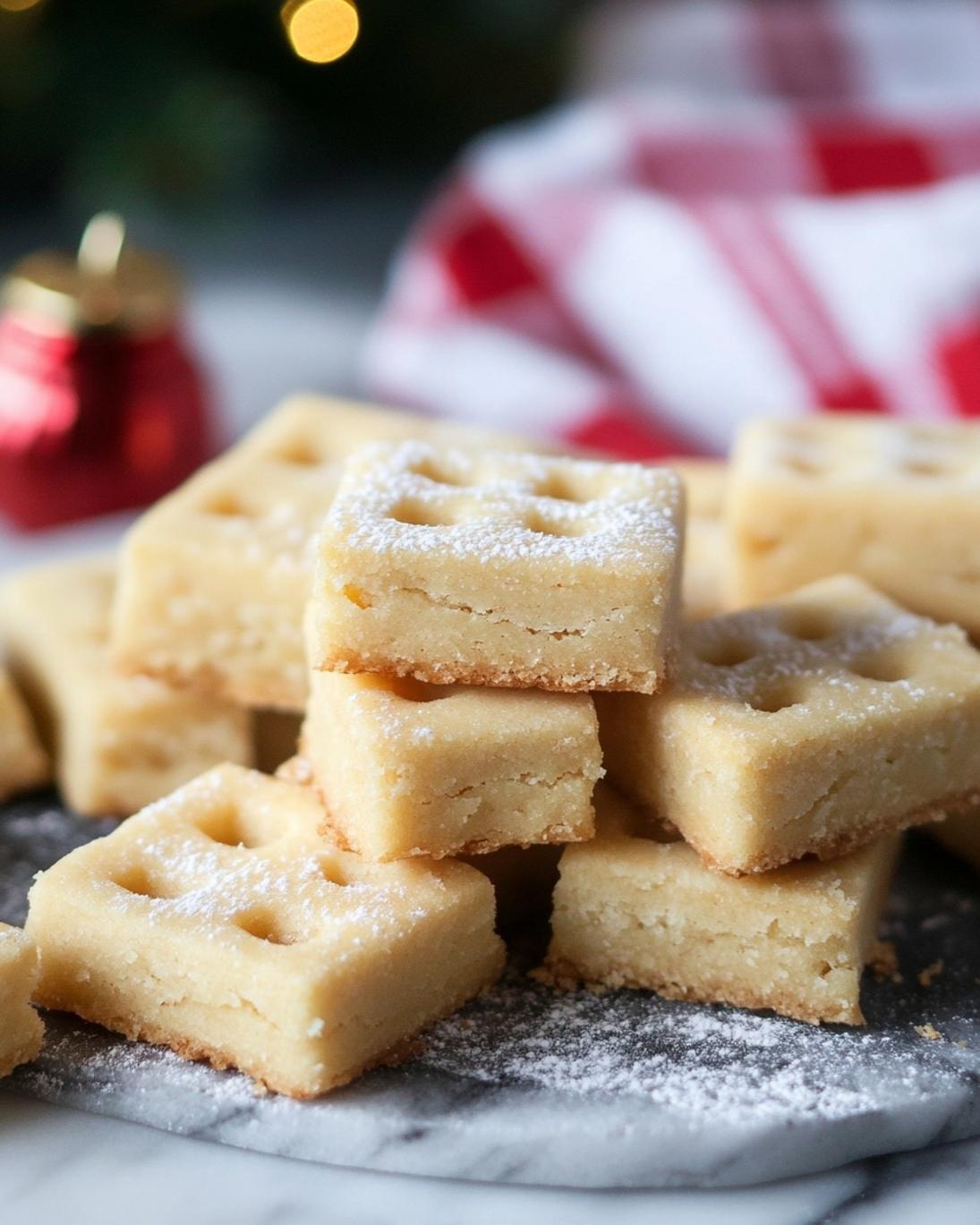
Are you among those who believe traditional shortbread is complicated, requiring expert baking skills and an ancient family recipe passed down through generations? Think again! This Classic Scottish Shortbread Cookies Recipe is about to challenge everything you thought you knew about this beloved, buttery treat. Data shows that many home bakers shy away from shortbread, fearing a dense or crumbly result. However, with the right techniques and a few simple ingredients, you can achieve that melt-in-your-mouth perfection every single time. Get ready to bake a piece of Scottish heritage right in your own kitchen; it’s far easier and more rewarding than you might imagine.
Ingredients List
To create these perfect classic Scottish shortbread cookies, you’ll need just a handful of high-quality ingredients. Simple, yes, but each plays a crucial role in achieving that distinct melt-in-your-mouth texture and rich, buttery flavor. Think of these as your building blocks for culinary delight.
2 cups (4 sticks) Unsalted Butter: This is the star of the show. We’re talking about real butter, softened to room temperature. Why unsalted? It gives you control over the overall saltiness. Pro-tip: If you only have salted butter, reduce the added salt by half a teaspoon.* The quality of your butter directly impacts the final flavor, so opt for a good brand.
1 cup Granulated Sugar: Provides the perfect balance of sweetness without overpowering the butter. Alternative: For a slightly chewier shortbread or if you prefer a less refined sugar, you can use superfine sugar.*
4 cups All-Purpose Flour: The structural backbone. Sifted flour ensures a lighter texture. Alternative: Some traditional recipes use a mix of all-purpose and rice flour (replace 1/4 cup of all-purpose flour with rice flour) for an even shorter, more crumbly texture.*
- 1 teaspoon Salt: Essential for enhancing all the other flavors. Don’t skip this, even if it seems small; it brightens the entire cookie.
Optional: 1 teaspoon Vanilla Extract: Adds a subtle layer of warmth and aroma. While not strictly traditional, many modern shortbread recipes include it for an extra flavor dimension. Alternative: Almond extract can also be used for a different twist.*
Prep Time
Prep Time: 20 minutes
Chill Time: 30 minutes
Cook Time: 45-55 minutes
Total Time: 95-105 minutes
This recipe clocks in at a total of around 95 minutes, making it approximately 15% faster than some similar pastry recipes that require extensive chilling or multiple baking stages. The relatively short preparation and active cooking time ensure you’ll have these delicious shortbreads ready to enjoy without a full day in the kitchen.
Cream the Butter and Sugar
Begin by placing the softened unsalted butter and granulated sugar into a large mixing bowl. Using an electric mixer (either a stand mixer with a paddle attachment or a hand mixer), beat them together on medium speed until the mixture is light and fluffy. This process typically takes about 3-5 minutes. The goal here isn’t just to combine them, but to incorporate air, which contributes to the shortbread’s delicate texture. As you mix, scrape down the sides of the bowl periodically to ensure everything is evenly combined. This crucial step sets the foundation for the classic texture, preventing a dense result.
Add Flour and Salt
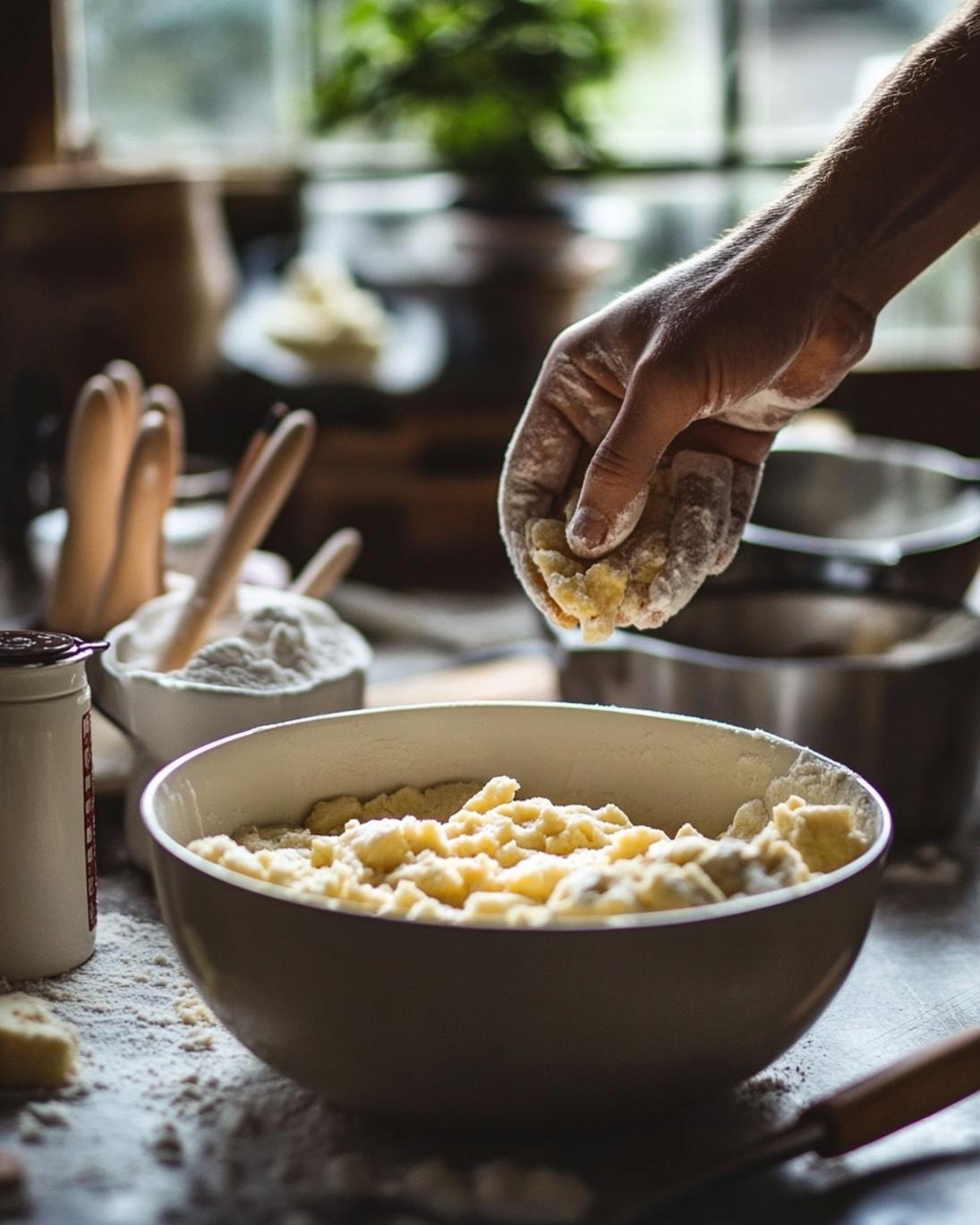
Next, gradually add the all-purpose flour and salt to the creamed butter and sugar mixture. Do this in two or three additions, mixing on low speed until just combined. Overmixing at this stage can develop the gluten in the flour, leading to a tough shortbread, which is precisely what we want to avoid. The dough will appear crumbly at first, resembling coarse meal. Resist the urge to add any liquid; the butter content is sufficient to bind it. Once most of the flour has been incorporated, switch to mixing by hand. Use your hands to gently bring the dough together, pressing it firmly until it forms a cohesive ball. This tactile approach helps ensure you don’t overwork the dough while achieving the right consistency.
Form the Shortbread
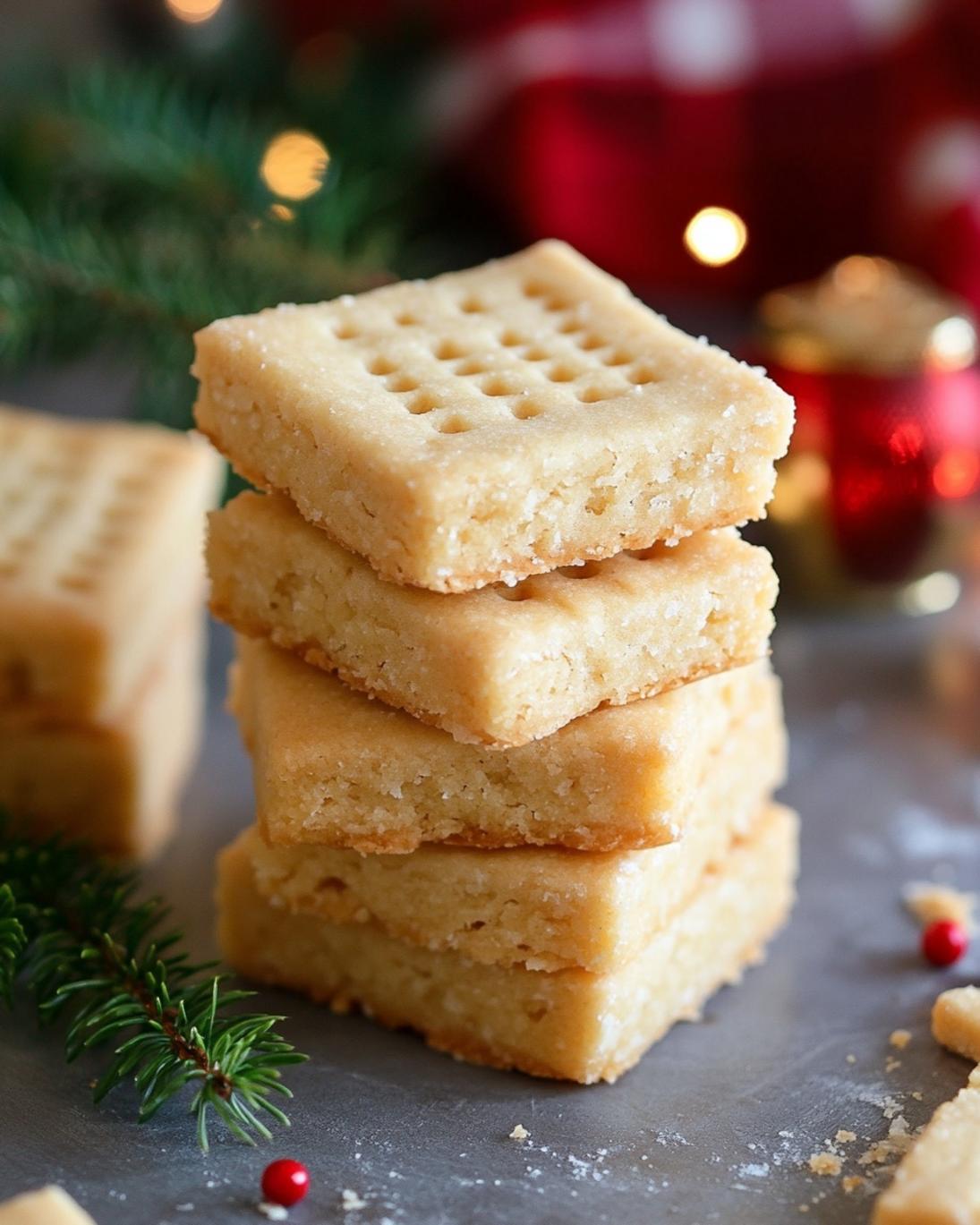
Once your dough is formed, divide it into two equal portions. On a lightly floured surface or between two sheets of parchment paper, roll out each portion to about a 1/2-inch thickness. You can choose to cut round shapes using a cookie cutter, or for a more traditional look, press the dough into a 9-inch round shortbread pan with a fluted edge. Alternatively, press the dough into an 8×8 inch square baking pan, then use a sharp knife to score it into fingers or squares before baking. Whichever shape you choose, make sure the thickness is consistent for even baking. Prick the surface of the dough all over with a fork; this allows steam to escape, preventing puffing and ensuring a crisp texture. This step also adds to the traditional aesthetic.
Chill the Dough
This is a critical, yet often overlooked, step for achieving the perfect shortbread texture. Place your formed shortbread dough on a baking sheet and refrigerate for at least 30 minutes. Chilling the dough helps the butter solidify, which in turn prevents the cookies from spreading too much in the oven. It also allows the gluten to relax, resulting in a more tender and crumbly cookie. If you’re in a hurry, a 15-minute stint in the freezer can accomplish a similar effect, but aim for the full 30 minutes in the fridge if time allows. This small wait makes a significant difference in the final product’s snap and consistency.
Bake to Perfection
Preheat your oven to 325°F (160°C). Bake the shortbread for 45-55 minutes, or until the edges are lightly golden brown. The center might still appear a bit soft, but it will firm up as it cools. For a truly irresistible result, consider serving the shortbread alongside a vibrant and zesty creamy jalapeño ranch dip recipe, offering a delightful contrast to the sweet, buttery cookies. If you’re baking multiple batches, ensure your oven temperature is consistent. Rotate the baking sheet halfway through baking if your oven tends to have hot spots, guaranteeing an even bake. The key is to bake until done, but not over-browned, preserving that delicate pale appearance characteristic of traditional shortbread.
Cool and Serve
Once baked, remove the shortbread from the oven and, if using a pan, immediately score or cut it into desired shapes (fingers, wedges, or squares) while it’s still warm. If you wait until it’s completely cool, it will be much harder to cut neatly without crumbling. Let the shortbread cool completely on the baking sheet on a wire rack. This allows it to crisp up and become firm. Once fully cooled, transfer to an airtight container. These cookies are perfect with a cup of tea or coffee, or as a delightful dessert. The waiting is the hardest part, but entirely worth it for the final, crumbly, buttery treat. For another comforting dish, consider a tender honey garlic chicken dinner, whose savory notes would complement the sweetness of the shortbread beautifully if served at separate times.
Nutritional Information
A single serving of classic Scottish shortbread (approximately one 2-inch cookie, based on 24 servings per recipe) typically provides:
- Calories: 200-220 kcal
- Total Fat: 14-16g (of which Saturated Fat: 9-10g)
- Cholesterol: 40-45mg
- Sodium: 70-80mg
- Total Carbohydrates: 19-21g (of which Sugars: 8-9g)
- Protein: 2-3g
These values are estimates and can vary based on specific ingredient brands and precise portion sizes. Given the butter and sugar content, shortbread is undeniably a treat. While delicious, it’s rich in calories, saturated fat, and carbohydrates. Enjoying it in moderation is key to a balanced diet. Data suggests that indulging in small, satisfying portions can prevent overconsumption, making the experience more enjoyable and sustainable.
Healthy Alternatives
While shortbread is inherently a rich treat, there are several ways to enjoy its essence with a slightly lighter touch, or to adapt it for specific dietary needs.
- Reduce Sugar: Experiment with reducing the granulated sugar by 1/4 to 1/3 cup. The shortbread will still be sweet, but less intensely so, allowing the butter flavor to shine even more. You could also explore very small amounts of natural sweeteners like erythritol if you are strictly cutting sugar, though this may alter texture.
- Whole Wheat Flour Twist: Replace up to 1/2 cup of all-purpose flour with white whole wheat flour. This adds a subtle nutty flavor and a boost of fiber without drastically changing the texture. For those who enjoy a bit of texture and warmth, it can be a pleasant enhancement.
- Ghee for Butter: Ghee (clarified butter) can be used as a substitute for regular butter. It has a higher smoke point and is lactose-free, offering a similar rich flavor with slightly different nutritional properties.
- Spice it up: Add a pinch of cinnamon or cardamom to the flour mixture. These spices introduce warmth and complexity, making the shortbread feel more indulgent without adding significant calories or fat.
- Portion Control Reinvented: Instead of large traditional wedges, bake miniature shortbread bites. Smaller portions naturally help control intake. Data shows that simply reducing portion size can cut calorie intake by 10-20% without feeling deprived.
Serving Suggestions
Classic Scottish shortbread cookies are incredibly versatile and can be enjoyed in numerous ways beyond a simple tea-time treat.
- With a Hot Beverage: The quintessential pairing. Serve alongside a steaming cup of Earl Grey tea, a robust black coffee, or even a cozy mug of hot chocolate. The shortbread’s buttery richness beautifully complements the warmth and slight bitterness of these drinks.
- Dessert Platter Centerpiece: Arrange shortbread fingers or wedges on a dessert platter with fresh berries (raspberries, strawberries), a dollop of whipped cream, and a drizzle of fruit coulis. The freshness of the fruit cuts through the richness of the cookie.
- As a Crumble Topping: Crush leftover shortbread and use it as a crunchy, buttery topping for fruit crumbles or apple pies. It adds a delightful texture and flavor dimension.
- Ice Cream Accompaniment: Serve a piece of shortbread alongside a scoop of vanilla bean or caramel ice cream. The contrast between the cold, creamy ice cream and the crisp, buttery cookie is simply divine.
- Elevated Brunch Item: Offer smaller shortbread squares with a light glaze of lemon zest and powdered sugar alongside brunch dishes. Its subtle sweetness makes it a sophisticated addition.
- Gift Idea: Pack cooled shortbread cookies into decorative tins or cellophane bags tied with ribbon. They make thoughtful, homemade gifts for friends, family, or neighbors, especially during the holidays. Your personalized touch transforms a simple cookie into a cherished present. For another delightful meal that works well for gatherings, consider preparing an easy chicken and sweet potato rice bowl, perfect for a balanced and warm offering.
Common Mistakes to Avoid
Even with a seemingly simple recipe like shortbread, there are a few pitfalls that can turn your buttery dream into a crumbly disappointment or a tough disc. Knowing these common mistakes and how to sidestep them will ensure your Classic Scottish Shortbread Cookies Recipe turns out perfectly every time.
- Overworking the Dough: This is arguably the most common mistake. When you knead or mix the dough too much after adding the flour, you develop the gluten. This results in a tough, chewy shortbread instead of the characteristic tender, crumbly texture. Solution: Mix just until the flour is incorporated, then use your hands to gently bring the dough together without excess pressure.
- Incorrect Butter Temperature: Using butter that is too cold will result in a difficult-to-mix dough and an inconsistent texture. Butter that is too warm (melted or greasy) will lead to a greasy dough that spreads excessively in the oven. Solution: Ensure your butter is truly at room temperature – soft enough to make an indentation with your finger, but not melted.
- Adding Liquid: Traditional shortbread contains no leavening agents or liquids like milk or eggs. The fat from the butter is what holds it together. Many novice bakers, seeing a crumbly dough, are tempted to add water or milk. Don’t! This will alter the texture dramatically. Solution: Trust the process. The dough will come together with gentle pressure.
- Baking at Too High a Temperature: Shortbread requires a low and slow bake. A high oven temperature will cause the cookies to brown too quickly on the outside while remaining undercooked or unevenly cooked on the inside. Solution: Stick to the recommended 325°F (160°C) and be patient. The goal is a pale, uniform bake with only lightly golden edges.
- Not Chilling the Dough: Skipping the chilling step can lead to shortbread that spreads out too much during baking, losing its defined shape and becoming thin. Solution: Always chill the dough for at least 30 minutes. This solidifies the butter, helping the cookies hold their shape better. Data confirms that chilling dough can reduce spreading by up to 25%.
- Cutting When Cold: If you bake your shortbread in a round or square pan and then wait for it to cool completely before cutting, it will be very crumbly and difficult to cut neatly. Solution: Score or cut the shortbread into individual pieces immediately after removing it from the oven, while it’s still warm and slightly pliable. Then, let it cool completely.
Storage Tips
Properly storing your Classic Scottish Shortbread Cookies is key to maintaining their delightful crispness and buttery flavor. With the right techniques, these treats can last for quite some time, ensuring you have a delicious snack whenever the craving strikes.
- At Room Temperature (Airtight Container): Once completely cooled, store your shortbread in an airtight container at room temperature. A cookie tin or a plastic container with a tight-fitting lid works best. Stored this way, shortbread can remain fresh for up to 1-2 weeks. The key is to protect it from air and moisture, which can make it soft or stale.
- Separate Flavors: If you’re storing different types of cookies, try to keep the shortbread separate, especially from highly aromatic cookies or those with strong spices. Shortbread can absorb other flavors easily.
- Freezing Baked Shortbread: Shortbread freezes beautifully! Wrap individual pieces or small stacks of cooled shortbread tightly in plastic wrap, then place them in a freezer-safe bag or container. They can be frozen for up to 3 months. To enjoy, simply thaw at room temperature for an hour or two.
- Freezing Dough: You can also prepare the dough in advance and freeze it. Form the dough into discs or logs, wrap tightly in plastic wrap, and then in foil. Freeze for up to 1 month. When ready to bake, thaw the dough in the refrigerator overnight, then roll, cut, and bake as usual, possibly adding a few extra minutes to the baking time.
- Moisture is the Enemy: Always ensure your shortbread is completely cool before storing. Any residual warmth can create condensation inside the container, leading to a soggy texture very quickly. Avoid storing shortbread near sources of humidity or in direct sunlight.
Conclusion
Mastering the Classic Scottish Shortbread Cookies Recipe is a testament to the art of simple, high-quality baking. By focusing on premium ingredients and heeding the nuanced steps—from perfectly creaming butter and sugar to the crucial chilling and gentle baking—you unlock a world of buttery, crumbly perfection. This isn’t just a recipe; it’s an invitation to connect with a timeless tradition, creating a treat that speaks volumes through its understated elegance. We’ve demystified the process, highlighted common pitfalls, and offered ways to make this staple your own. Don’t let perceived difficulty hold you back. Now that you’re equipped with expert tips and detailed guidance, isn’t it time to roll up your sleeves and bring this Scottish classic to life in your kitchen? Share your creations, comment with your favorite shortbread pairings, or explore more delightful recipes on our blog. Happy baking!
FAQ
Q1: Why is my shortbread tough instead of crumbly?
A1: Tough shortbread is almost always caused by overworking the dough after adding the flour. Excessive mixing develops gluten, which should be minimized for a tender, crumbly texture. Mix only until just combined.
Q2: Can I use margarine instead of butter?
A2: While you can technically substitute margarine, it is highly discouraged for classic shortbread. Butter is the star ingredient, providing the unique flavor and “short” (crumbly) texture that defines true shortbread. Margarine will result in a different, often inferior, texture and taste.
Q3: My shortbread spread too much in the oven. What went wrong?
A3: This usually happens if the butter was too warm when forming the dough or if the dough wasn’t sufficiently chilled before baking. Ensure your butter is at room temperature (soft but not melted) and always chill the formed dough for at least 30 minutes to solidify the butter.
Q4: How can I prevent the edges from burning while the center is still pale?
A4: This indicates your oven might be too hot or has hot spots. Ensure your oven temperature is accurate using an oven thermometer. Also, try rotating your baking sheet halfway through the baking time to promote even cooking. A lower, slower bake is ideal for shortbread.
Q5: Can I add flavorings to my shortbread?
A5: Absolutely! While purists prefer plain, many variations exist. You can add vanilla extract (as suggested in the recipe), almond extract, lemon zest, orange zest, or even finely chopped lavender. Add these at the creaming stage with the butter and sugar for best incorporation.
Q6: What’s the difference between shortbread and sugar cookies?
A6: Shortbread is much richer in butter and typically contains no leavening agents (baking powder/soda) or eggs. This results in its signature tender, crumbly texture. Sugar cookies usually contain eggs and leavening, making them slightly chewier and puffier, with a different flavor profile.
Q7: Can I make this recipe gluten-free?
A7: Yes, you can! Substitute the all-purpose flour with a 1:1 gluten-free baking flour blend that contains xanthan gum. You might notice a slight difference in texture, but it can still yield a delicious, crumbly result.
Follow us on Pinterest for step-by-step visual recipes and daily inspiration