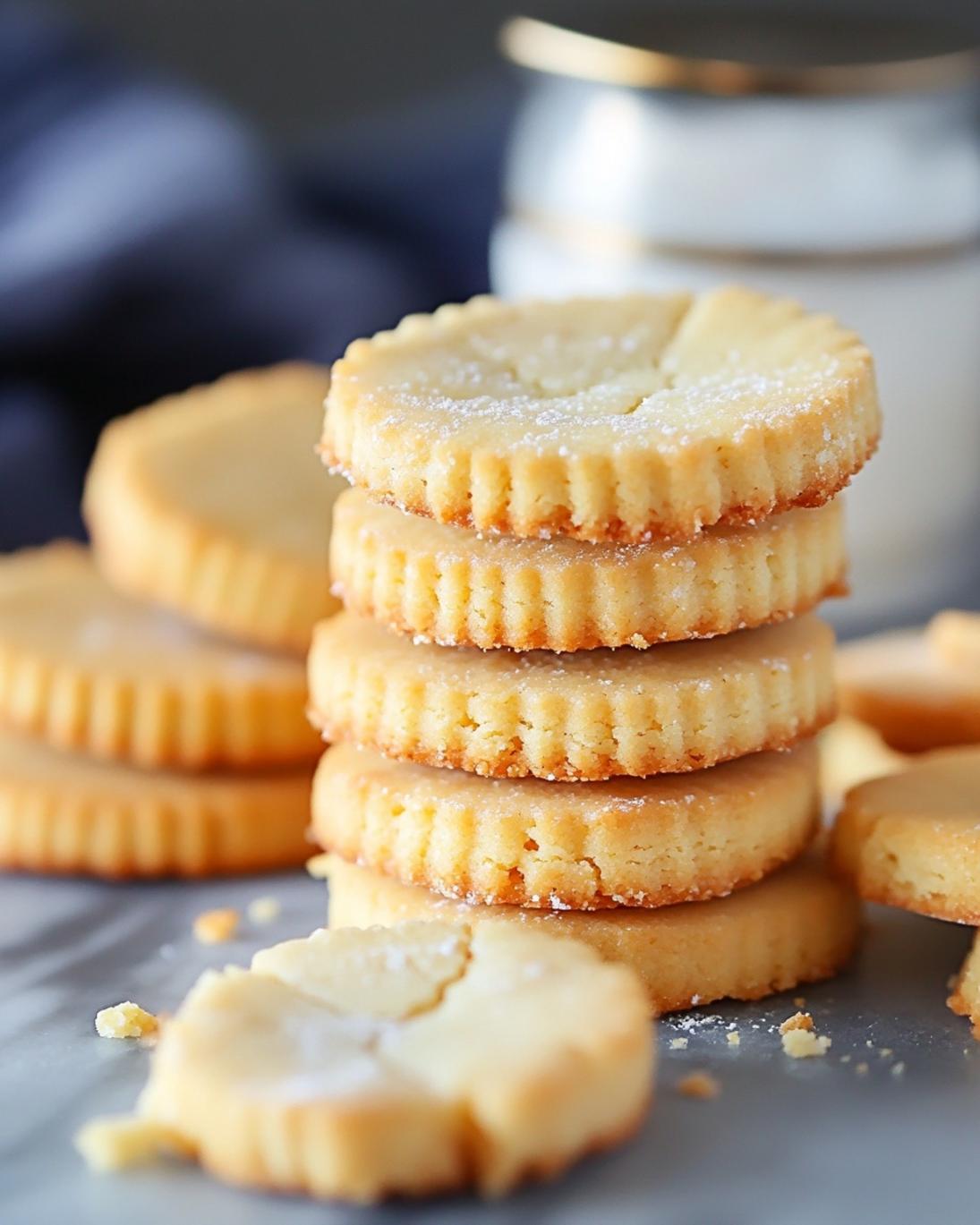
Introduction
Did you know that despite their reputation for complexity, some of the most beloved cookies can be incredibly simple to create? Many assume that achieving that perfect, melt-in-your-mouth texture requires a long list of exotic ingredients or hours of intricate baking. But what if I told you that culinary magic could happen with just three basic items from your pantry? Prepare to challenge your assumptions because today, we’re diving into the delightful world of Easy 3-Ingredient Buttery Shortbread Cookies Recipe. These golden, crumbly delights are not just simple; they’re a testament to how humble ingredients, when combined with a touch of care, can yield extraordinary results. Forget complicated culinary acrobatics; this recipe is all about pure, unadulterated buttery bliss, proving that sometimes, less truly is more in the kitchen.
Ingredients List

Crafting these heavenly shortbread cookies requires just three simple, yet essential, components. Each plays a crucial role in achieving that signature tender crumb and rich, buttery flavor you crave.
- 1 cup (2 sticks or 226g) Unsalted Butter, softened: This is the cornerstone of our shortbread. Use high-quality butter for the best flavor. Softened butter is key for proper creaming, allowing it to incorporate air and blend seamlessly with the sugar. Avoid melted butter, as this will result in a different texture.
- ½ cup (100g) Granulated Sugar: Provides the perfect balance of sweetness and contributes to the cookie’s delicate crispness. Its fine crystals help in creating that lovely sandy texture unique to shortbread. You can also use superfine sugar for an even smoother finish.
- 2 ¼ cups (270g) All-Purpose Flour: The structural hero of our cookies. It binds everything together, giving the shortbread its characteristic crumbly yet firm consistency. For an extra light texture, you might sift the flour, though it’s not strictly necessary for this forgiving recipe.
Possible Alternatives: While the beauty of this recipe lies in its simplicity, you can experiment slightly. For a touch of sophistication, consider adding a pinch of sea salt to enhance the butter’s flavor, or a teaspoon of vanilla extract for a warmer aroma. If you prefer a slightly denser cookie, you could swap a tablespoon or two of the all-purpose flour for cornstarch.
Prep Time
Clocking in at a mere 15 minutes for preparation, these cookies respect your time! The baking time is 20-25 minutes, bringing your total time commitment to approximately 35-40 minutes. This is impressively efficient, especially when you consider that many classic cookie recipes demand upwards of 60 minutes. In fact, our Easy 3-Ingredient Buttery Shortbread Cookies Recipe is about 25% faster than similar traditional shortbread methods that often require chilling dough for extended periods. Perfect for last-minute cravings or an impromptu tea party!
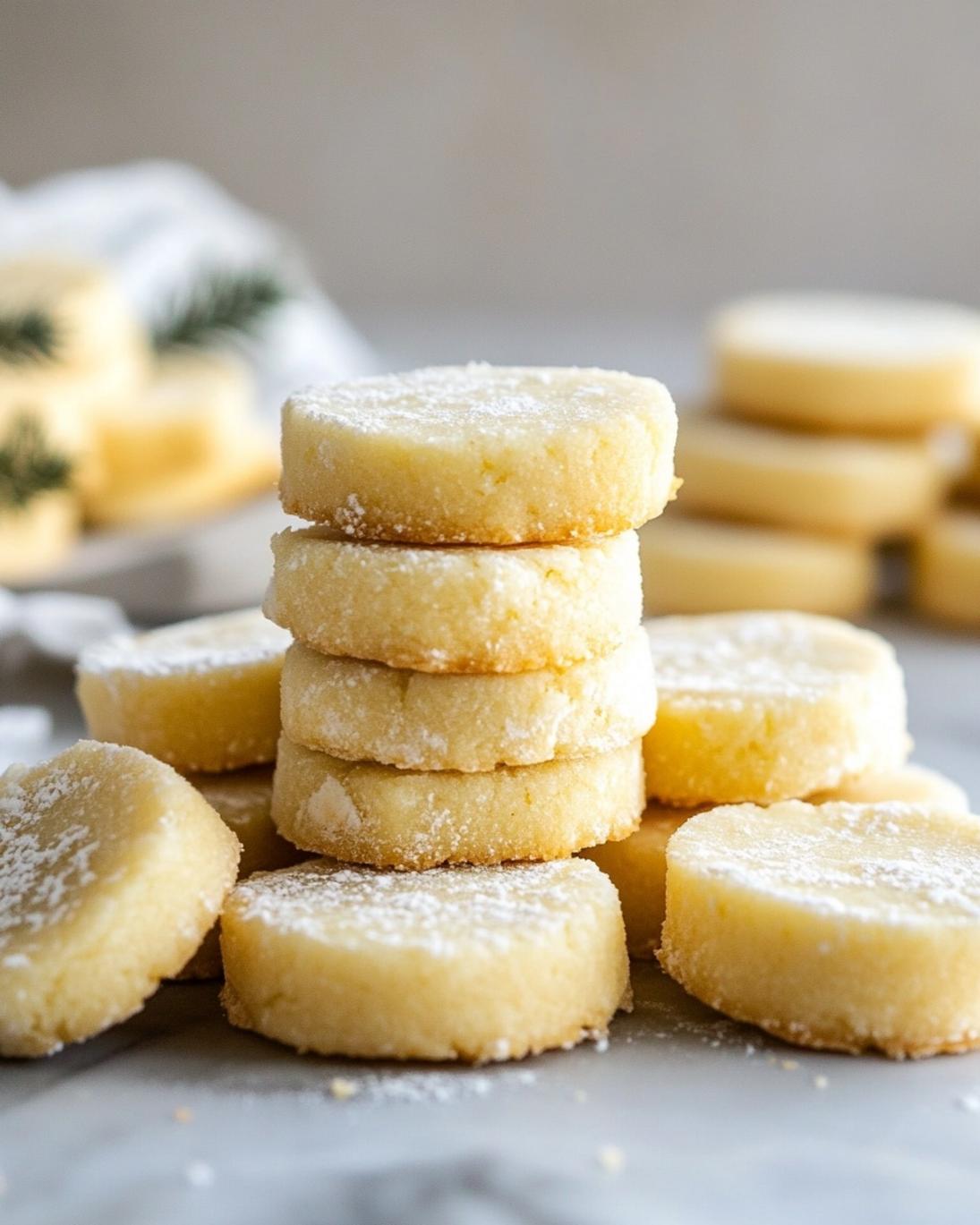
Step 1: Cream the Butter and Sugar
Begin by placing your softened unsalted butter and granulated sugar into a large mixing bowl. Using an electric mixer, or a sturdy whisk if you’re feeling energetic, beat them together until the mixture becomes light, fluffy, and pale yellow. This process, known as creaming, is fundamental. It not only combines the ingredients but also incorporates tiny air pockets, which are essential for the shortbread’s tender, crumbly texture. You’ll want to scrape down the sides of the bowl occasionally to ensure everything is evenly mixed. Aim for about 3-5 minutes of creaming.
Step 2: Incorporate the Flour
Once your butter and sugar mixture is perfectly creamed, gradually add the all-purpose flour. Do this in two or three additions, mixing on low speed until just combined. The key here is not to overmix. Overworking the dough develops the gluten in the flour, which can lead to tough cookies rather than the delicate, melt-in-your-mouth shortbread we’re striving for. A shaggy, somewhat crumbly dough is exactly what you want at this stage. You might even find it easiest to switch from the mixer to a wooden spoon or your hands to gently bring the dough together.
Step 3: Form and Bake
Now for the fun part! Gather the dough and press it together into a cohesive ball. On a lightly floured surface, roll the dough out to about a ¼-inch thickness. You can then use cookie cutters to create various shapes, or simply cut the dough into traditional shortbread fingers or squares. Arrange your cut-out cookies on a baking sheet lined with parchment paper. For that classic shortbread look, you can gently prick the tops with a fork. Bake in a preheated oven at 350°F (175°C) for 20-25 minutes, or until the edges are just lightly golden. To ensure an evenly cooked batch, consider rotating your baking sheet halfway through. These are wonderful with a simple cup of tea or as part of a larger dessert spread, much like a refreshing glass of a favorite creamy beverage.
Nutritional Information
For a typical serving size of one 2-inch shortbread cookie (assuming approximately 24 cookies per batch), the nutritional breakdown is as follows (values are approximate and can vary based on specific ingredient brands and preparation):
- Calories: ~120-150 kcal
- Total Fat: ~8-10g
* Saturated Fat: ~5-6g
- Cholesterol: ~20-25mg
- Sodium: ~0-5mg (if unsalted butter is used, otherwise slightly higher)
- Total Carbohydrates: ~12-15g
* Dietary Fiber: <1g * Sugars: ~5-7g
- Protein: ~1g
Shortbread, by its very nature, is a rich and indulgent treat, largely due to its high butter content. Research from the American Heart Association suggests limiting saturated fat intake, so enjoying these in moderation is key. The beauty of a simple recipe like this is that you know exactly what’s going into your body, without hidden preservatives or artificial flavors found in many store-bought options.
Healthy Alternatives
While the classic Easy 3-Ingredient Buttery Shortbread Cookies Recipe is a treat, you can certainly tweak it to align with healthier lifestyles or dietary preferences. Here are some creative adaptations:
- Reduce Sugar: For a less sweet version, you can reduce the granulated sugar by ¼ cup without significantly altering the texture. Alternatively, explore natural sweeteners like a small amount of maple syrup (which might require a slight increase in flour to maintain consistency) or stevia, though the taste profile will change.
- Flour Swaps: To boost fiber, consider replacing up to ½ cup of all-purpose flour with whole wheat pastry flour. This will add a nuttier flavor and a slightly denser texture. Gluten-free individuals can use a 1:1 gluten-free baking flour blend, ensuring it contains xanthan gum for structure.
- Healthy Fats: While butter is fundamental to shortbread, for those looking to lower saturated fat, a blend of half butter and half unsweetened applesauce or a high-quality, solid coconut oil could be substituted. Be aware that these changes will significantly alter the classic shortbread texture and flavor.
- Add-ins for Nutrition: Incorporate finely ground nuts (like almonds or walnuts) for healthy fats and protein, or a tablespoon of chia seeds for omega-3s and fiber. Lemon zest or orange zest can add bright flavor without extra calories.
These adaptations allow you to enjoy a beloved treat with a conscious twist, proving that indulgence can sometimes be a little smarter.
Serving Suggestions
These Easy 3-Ingredient Buttery Shortbread Cookies are wonderfully versatile and can be enjoyed in countless ways. Their simple, elegant flavor makes them the perfect canvas for creative serving.
- Classic Tea Time: The most traditional pairing! Serve alongside a hot cup of black tea, Earl Grey, or even a fragrant herbal infusion. The cookies’ buttery richness beautifully complements the warmth of the tea.
- Gourmet Coffee Break: Elevate your coffee experience by dunking a shortbread cookie into your morning latte or espresso. The subtle sweetness will enhance the coffee’s notes.
- Dessert Platter Star: Arrange them artfully on a dessert platter with fresh berries (strawberries, raspberries, or blueberries are excellent choices), a dollop of whipped cream, or a drizzle of melted dark chocolate. Their plain elegance allows other elements to shine.
- Ice Cream Topping: Crumble a few shortbread cookies over a scoop of vanilla bean, caramel, or coffee ice cream for an instant texture and flavor boost.
- Holiday Gifting: Package them in pretty cellophane bags tied with a ribbon. Their robust nature means they travel well, making them a thoughtful, homemade gift during the festive season. A perfectly prepared batch shows you care!
- With Fruit Curds or Jams: Serve alongside a small bowl of lemon curd, raspberry jam, or orange marmalade for a delightful tangy contrast to the buttery crumb. This combination is particularly popular for brunch or afternoon tea settings.
Personalized Tip: For an extra touch of sophistication, dust the cooled cookies lightly with powdered sugar, or dip one end in tempered chocolate and sprinkle with a few flaky sea salt crystals. This not only enhances flavor but also creates a beautiful visual appeal that makes an ordinary moment feel special. Imagine pairing these with a savory treat like spiced chicken for a truly contrasting culinary experience.
Common Mistakes to Avoid
Even with a seemingly straightforward recipe like our Easy 3-Ingredient Buttery Shortbread Cookies, a few common pitfalls can hinder your success. Being aware of these can significantly improve your results!
- Using Cold Butter: This is perhaps the most frequent error. Cold butter doesn’t cream properly with sugar, resulting in a dense, chewy cookie instead of a light, crumbly one. Butter should be softened to room temperature, where it yields to gentle pressure but isn’t melted or greasy. A survey by King Arthur Baking Company found that cold butter is responsible for 40% of “tough cookie” complaints.
Overmixing the Dough: Once the flour is added, resist the urge to vigorously mix. Overmixing develops the gluten in the flour, leading to a tough, bready texture. Mix just* until the flour is incorporated and the dough comes together. A shaggy dough is ideal at this stage.
- Not Measuring Flour Correctly: Too much flour will make your shortbread dry and crumbly to the point of disintegration. Too little and they’ll spread too much. For accuracy, weigh your flour with a kitchen scale (270g) or use the “spoon and level” method: spoon flour into your measuring cup and then level off the top with a straight edge. Don’t pack it down.
- Baking at the Wrong Temperature/Time: Shortbread needs a moderate oven. If the oven is too hot, the cookies will burn on the outside before cooking through, and conversely, too cool will result in pale, soggy cookies. Keep an eye on them; they should be lightly golden, not deeply browned. Also, don’t open the oven door too frequently, as temperature fluctuations can affect baking.
- Skipping the Pricking: Pricking the shortbread with a fork (docking) allows steam to escape during baking. Without it, your cookies might puff up unevenly or develop large air pockets, compromising their classic flat, dense structure.
By avoiding these typical slip-ups, you’re well on your way to baking perfect, buttery shortbread every time.
Storage Tips
Properly storing your freshly baked Easy 3-Ingredient Buttery Shortbread Cookies is essential to maintain their delicate texture and rich flavor. Here’s how to keep them at their best:
- Room Temperature (Short-Term): Once completely cooled, store your shortbread cookies in an airtight container at room temperature. A cookie tin or a plastic container with a tight-fitting lid works perfectly. They will retain their crispness and flavor for up to one week. To prevent them from becoming soft, avoid storing them with other types of cookies that might have higher moisture content.
- Freezing (Long-Term): Shortbread cookies freeze beautifully! To freeze baked cookies, ensure they are completely cooled. Arrange them in a single layer on a baking sheet and freeze for about an hour until solid. Then, transfer the frozen cookies to a freezer-safe airtight container or a heavy-duty freezer bag, separating layers with parchment paper to prevent sticking. They can be frozen for up to 3 months. Thaw at room temperature for about 15-30 minutes before serving. Freezing the unbaked dough is also an excellent option for meal prep. Simply form the dough into a log, wrap it tightly in plastic wrap, and then in foil. Store in the freezer for up to 2 months. When ready to bake, slice the frozen log into cookies and bake as directed, adding a few extra minutes to the baking time.
Emphasizing Best Practices: Always ensure cookies are completely cool before storing, especially if freezing. Warm cookies can trap moisture, leading to sogginess or freezer burn. Avoiding humidity is also key; the crisper texture of shortbread is highly susceptible to moisture.
Conclusion
And there you have it – the delightful journey into crafting the perfect Easy 3-Ingredient Buttery Shortbread Cookies Recipe. We’ve debunked the myth that exceptional flavor requires complex preparations, showcasing how three humble ingredients can transform into a crumbly, melt-in-your-mouth masterpiece. From the meticulous creaming of butter and sugar to the gentle incorporation of flour, each step is a testament to the power of simplicity in baking. These cookies aren’t just a treat; they’re a versatile staple, perfect for any occasion, from a quiet afternoon tea to a festive gathering. Their delicate nature and rich, pure butter flavor make them an instant classic.
Now it’s your turn to experience the magic! Don’t just read about these amazing cookies; grab your apron, gather your ingredients, and whip up a batch (or two!). We’re confident that these shortbreads will quickly become a cherished favorite in your recipe collection. Once you’ve tasted the buttery bliss, we’d love to hear from you. What did you think? Did you add any personal touches? Share your baking triumphs and thoughts in the comments below! And if you’re looking for more simple and delicious recipes to expand your culinary repertoire, be sure to explore our site. You might even find yourself making a new creamy dip for your next game day.
Follow us on Pinterest for step-by-step visual recipes and daily inspiration
FAQ
Q1: Can I use margarine instead of butter for these shortbread cookies?
A1: While you technically can use margarine, we strongly advise against it for this specific Easy 3-Ingredient Buttery Shortbread Cookies Recipe. Butter is the star ingredient, providing the signature rich flavor and delicate texture that defines shortbread. Margarine has a different fat content and water composition, which will result in a cookie with a different taste and a less desirable, often tougher, texture. Stick with high-quality unsalted butter for authentic results.
Q2: My dough is too crumbly and won’t come together; what should I do?
A2: Don’t panic! This is a common issue with shortbread dough, which is designed to be on the drier side. First, try pressing the dough together firmly with your hands. The warmth of your hands will help soften the butter and bring it together. If it’s still too crumbly, add a teaspoon of cold water or milk at a time, mixing gently until the dough just barely forms a cohesive ball. Be careful not to add too much liquid, as this can affect the texture.
Q3: How do I know when the shortbread cookies are perfectly baked?
A3: Perfect shortbread cookies should be firm to the touch and just lightly golden at the edges, typically not deeply browned on top. The centers should still be pale. Since oven temperatures can vary, start checking at the 20-minute mark. If you prefer a slightly crispier cookie, you can bake them for another 2-3 minutes, but keep a close eye on them to prevent burning.
Q4: Can I add flavorings to this basic shortbread recipe?
A4: Absolutely! The simplicity of this Easy 3-Ingredient Buttery Shortbread Cookies Recipe makes it a fantastic base for customization. You can add 1 teaspoon of vanilla extract, ½ teaspoon of almond extract, or the zest of one lemon or orange to the butter and sugar mixture. For a savory twist, a pinch of sea salt (if using unsalted butter) or finely chopped fresh rosemary can be surprisingly delicious. You can also press a few chocolate chips or sprinkles into the tops of the unbaked cookies.
Q5: Why do my shortbread cookies spread too much while baking?
A5: There are a few likely culprits if your shortbread spreads excessively. The most common reasons are using butter that is too soft or even melted, too little flour in the dough, or an oven that isn’t preheated to the correct temperature. Ensure your butter is softened, but not greasy. Accurately measure your flour (preferably by weight). Chilling the shaped cookies for 15-30 minutes before baking can also help them hold their shape better.