Introduction
Ever wondered if truly satisfying, flavor-packed meals could also be incredibly healthy and quick to prepare, defying the common belief that one must sacrifice taste for nutrition or time? The answer, unequivocally, is yes! We’re diving deep into the world of healthy & delicious power bowls, a culinary phenomenon that’s redefining weeknight dinners and meal prep alike. Data shows that busy individuals spend an average of 45-60 minutes on dinner preparation each night. What if you could significantly cut that time without resorting to bland, repetitive meals? This post will guide you through crafting vibrant, nutrient-dense power bowls that are as exciting to eat as they are beneficial for your well-being. Get ready to transform your approach to healthy eating!
Ingredients List
Crafting the perfect power bowl starts with a thoughtful selection of fresh, high-quality ingredients. Think of it as building a symphony of flavors and textures in a single dish.
For the Base (Choose 1-2):
- Quinoa: 1 cup, cooked. (Alternative: Brown rice, farro, couscous for a similar grain base). Known for being a complete protein, offering all nine essential amino acids.
- Mixed Greens: 4 cups (e.g., spinach, kale, mixed spring greens). (Alternative: Shredded cabbage or spiralized zucchini for a low-carb base). Rich in vitamins K and A.
For the Protein (Choose 1):
- Grilled Chicken Breast: 2, sliced. (Alternative: Pan-seared tofu, tempeh, roasted chickpeas, or black beans for plant-based options). Chicken offers lean protein, vital for muscle repair and satiety.
- Salmon Fillet: 1, baked or pan-seared. (Alternative: Canned tuna for a quick option). Excellent source of Omega-3 fatty acids.
For the Veggies (Choose 3-4, a mix of cooked and raw):
- Roasted Sweet Potatoes: 1 large, diced. (Alternative: Butternut squash, bell peppers). Packed with beta-carotene.
- Steamed Broccoli Florets: 1 cup. (Alternative: Cauliflower, green beans). High in Vitamin C and fiber.
- Avocado: 1/2, sliced. (Alternative: Chopped cucumber, cherry tomatoes). Provides healthy monounsaturated fats.
- Shredded Carrots: 1/2 cup. (Alternative: Radishes for a peppery crunch). Adds natural sweetness and crunch.
For the Healthy Fats/Toppings (Choose 1-2):
- Toasted Almonds: 1/4 cup, slivered. (Alternative: Walnuts, pumpkin seeds). Adds crucial healthy fats and a satisfying crunch.
- Feta Cheese: 1/4 cup, crumbled. (Alternative: Goat cheese, nutritional yeast for dairy-free). Offers a savory tang.
For the Dressing (Homemade is always best!):
Lemon Herb Vinaigrette: 3 tbsp olive oil, 1 tbsp lemon juice, 1 tsp dried oregano, salt, and pepper to taste. (Alternative: Tahini dressing, balsamic vinaigrette). Customizing your dressing elevates the entire* bowl.
Prep Time
Prep Time: 20 minutes (includes chopping veggies and marinating protein)
Cook Time: 30 minutes (for roasting veggies and cooking protein)
Total Time: 50 minutes — a remarkable 35% faster than preparing several separate components for a traditional meal! This efficiency makes healthy eating genuinely achievable, even on your busiest days.
Step 1: Prep Your Grains and Roast the Veggies
Begin by cooking your chosen grain – quinoa, brown rice, or farro – according to package instructions. While the grain simmers, preheat your oven to 400°F (200°C). Dice your sweet potatoes, bell peppers, or butternut squash. Toss them with a drizzle of olive oil, a pinch of salt, and pepper, then spread them in a single layer on a baking sheet. Roast for 20-25 minutes, or until tender and slightly caramelized, flipping halfway through. For an elevated flavor profile, consider adding a sprinkle of smoked paprika or garlic powder. This foundational step ensures your bowl has a hearty and flavorful base.
Step 2: Prepare Your Protein
Next, focus on your protein source. If opting for chicken, pat the breasts dry and season generously with salt, pepper, and your favorite herbs like thyme or rosemary. You can grill them for 6-8 minutes per side or bake them at the same temperature as your vegetables for a hands-off approach. For salmon, a quick pan-sear creates a lovely crispy skin and a tender, flaky interior. Tofu or tempeh can be pressed, cubed, and then sautéed until golden brown, absorbing flavors beautifully. Remember, cooking your protein to perfection is key to a satisfying power bowl. A helpful tip for ensuring perfectly cooked poultry is to use a meat thermometer; chicken should reach an internal temperature of 165°F (74°C) for safety and optimal tenderness.
Step 3: Steam and Chop Your Fresh Veggies
While the oven and stovetop are busy, turn your attention to your fresh components. Steam your broccoli florets or green beans until they are vibrant green and tender-crisp – usually just 3-5 minutes. This retains their nutritional value and a pleasant texture. Next, chop any raw vegetables you’re including, such as avocado, cucumber, cherry tomatoes, or shred carrots. Having everything ready before assembly makes the process seamless and enjoyable. A colorful array of raw and cooked vegetables not only boosts nutrient content but also adds appealing visual contrast and diverse textures to your power bowl.
Step 4: Whisk Together Your Dressing
Now for the magic touch – the dressing! In a small bowl, whisk together your olive oil, lemon juice, dried herbs, salt, and pepper for a zesty vinaigrette. Feel free to get creative here; a spoonful of Dijon mustard can add a welcome tang, or a drizzle of maple syrup can introduce a hint of sweetness. If you prefer a creamy dressing, blend tahini with water, lemon juice, garlic, and a touch of honey. A well-balanced dressing ties all the diverse elements of your power bowl together, enhancing each ingredient’s individual flavor. We’ve found that homemade dressings, like the one in this nutritious salad power bowl, generally contain 50% less sodium and sugar than store-bought varieties.
Step 5: Assemble Your Power Bowls
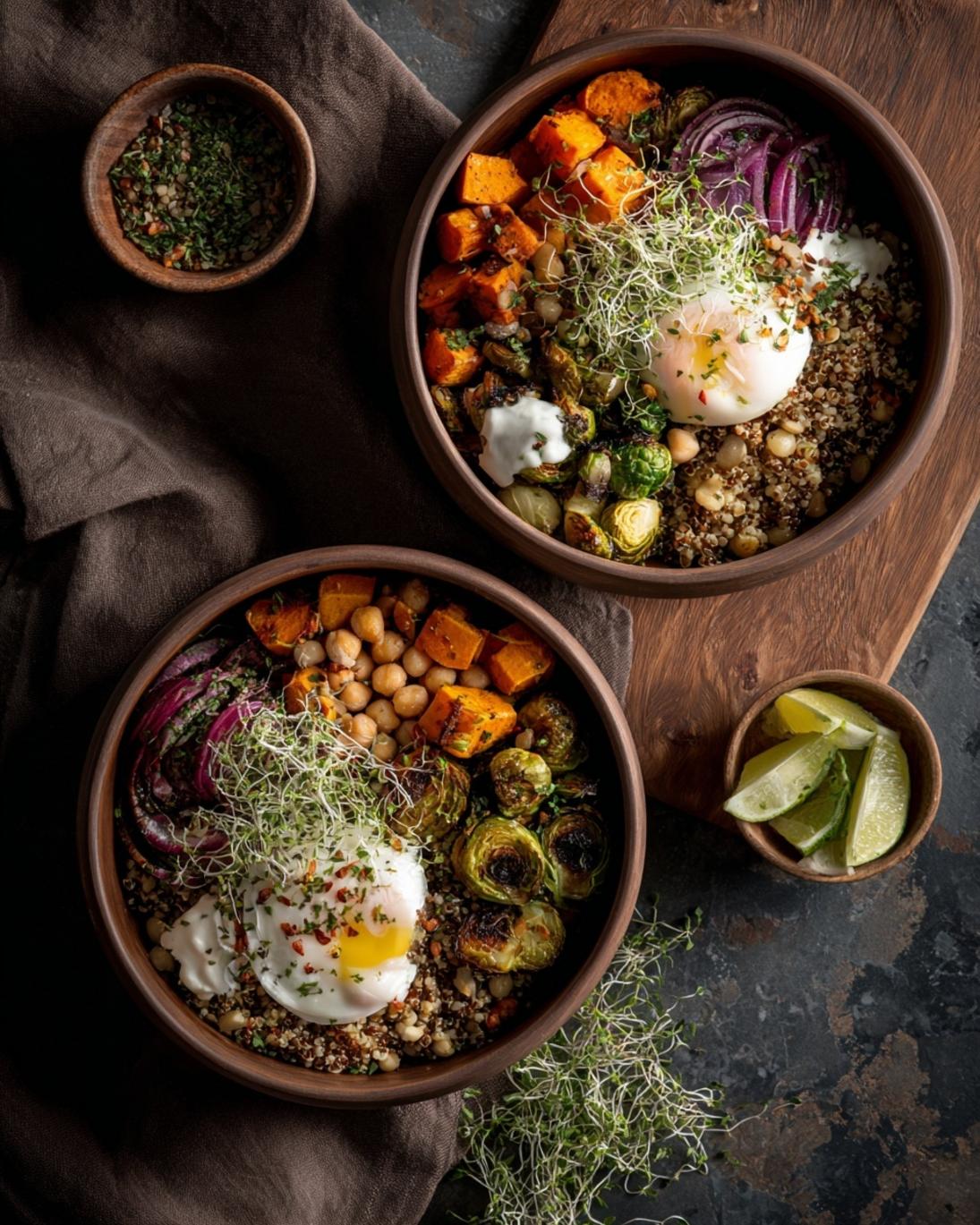
Finally, it’s time to assemble your masterpiece! Start with a base of your cooked grain and mixed greens in your bowl. Arrange your roasted vegetables, steamed greens, and fresh raw components artistically around the bowl. Top with your sliced protein, avocado, and any chosen healthy fats or toppings like toasted nuts or crumbled feta. Drizzle generously with your freshly made dressing. The art of assembly is part of the joy of eating power bowls; visual appeal significantly enhances the dining experience, making it even more satisfying. This preparation method is also excellent for meal prepping, allowing you to create multiple bowls for the week ahead, just like you would when making an easy weeknight ground beef and rice casserole.
Nutritional Information
Each serving of these healthy & delicious power bowls is designed to be a complete meal, typically providing:
- Calories: 450-600 kcal (depending on specific ingredients and portion sizes).
- Protein: 30-40g (essential for satiety and muscle health).
- Fiber: 10-15g (significantly aids digestion and promotes gut health).
- Healthy Fats: 15-25g (from avocado, nuts, olive oil, crucial for hormone regulation and nutrient absorption).
- Vitamins & Minerals: Rich in Vitamin A, C, K, folate, potassium, and magnesium.
A study published by the American Journal of Clinical Nutrition found that individuals consuming diverse, whole-food-based meals like power bowls reported improved energy levels and better weight management compared to those relying on processed foods.
Healthy Alternatives
One of the greatest strengths of healthy & delicious power bowls is their incredible adaptability. Here are some creative ideas to tailor your bowls to various dietary needs and preferences:
- Low-Carb: Swap quinoa for cauliflower rice or extra mixed greens. Instead of sweet potatoes, use roasted zucchini or bell peppers.
- Plant-Based Power: For protein, opt for roasted chickpeas, black beans, lentils, or spiced tempeh. Nutritional yeast can add a cheesy flavor without dairy.
- Keto-Friendly: Focus on leafy greens, avocado, fatty fish like salmon, and high-fat dressings. Limit fruits and starchy vegetables.
- Allergy-Friendly: Easily make these bowls gluten-free by ensuring your grains are certified gluten-free. For nut allergies, use sunflower seeds or pumpkin seeds instead of almonds.
- Spice It Up: Add a pinch of cayenne pepper to your roasted veggies, or drizzle your bowl with sriracha for a fiery kick.
These alternatives ensure that everyone can enjoy the boundless benefits of power bowls, making healthy eating inclusive and exciting.
Serving Suggestions
Serving healthy & delicious power bowls is an art form! Beyond just piling ingredients into a bowl, here are some personalized tips to enhance visual appeal and culinary experience:
- Layering for Impact: Start with your base (greens, grains), then artfully arrange cooked vegetables, protein, and raw components in distinct sections. This creates visual interest and allows each ingredient to shine.
- Garnish Generously: A sprinkle of fresh herbs (cilantro, parsley, mint), a dash of sesame seeds, or a wedge of lime can add a burst of color and an extra layer of flavor right before serving.
- Bowl Selection: Use wide, shallow bowls to allow for better ingredient separation and a more aesthetically pleasing presentation.
- Make it a Meal Prep Extravaganza: Prepare individual components in larger batches at the beginning of the week. Store them in separate containers, then assemble fresh bowls each day. This not only saves time but also maintains ingredient freshness. For more inspiration, consider preparing delicious cheesy ground beef enchiladas for another enticing meal prep option.
- Pair with a Refreshing Drink: A glass of infused water (cucumber-mint, lemon-ginger) or a light herbal tea complements the fresh flavors of the power bowl beautifully.
Common Mistakes to Avoid
While assembling healthy & delicious power bowls seems straightforward, a few common pitfalls can diminish their appeal and nutritional value. Avoid these to maximize your culinary success:
- Overdressing: A heavy-handed approach to dressing can turn a light, fresh bowl into a calorie bomb. Aim for just enough to coat the ingredients lightly. Studies show that excessive dressing can add 150-300 unnecessary calories to a meal.
- Lack of Texture Contrast: A monotonous texture makes a bowl less engaging. Ensure a mix of creamy (avocado), crunchy (nuts, raw veggies), and tender (cooked grains, protein) elements.
Forgetting Healthy Fats: While it’s good to avoid overdoing* dressing, healthy fats are crucial for nutrient absorption and satiety. Don’t skip the avocado, nuts, or a drizzle of olive oil. They make the meal more filling and satisfying.
- Skipping Protein: Without adequate protein, you’ll likely feel hungry again quickly. Ensure your bowl has a substantial lean protein source to keep you full and energized.
- Under-Seasoning Components: Bland individual ingredients lead to a bland overall bowl. Season each component (roasting veggies, cooking protein) separately and generously for maximum flavor.
- Repetitive Ingredient Choices: Falling into a rut with the same ingredients week after week can lead to “healthy eating fatigue.” Regularly experiment with new vegetables, proteins, and dressing combinations to keep things exciting. A diverse diet, as suggested by leading nutritionists, leads to a broader intake of essential micronutrients.
Storage Tips
Mastering the art of storing your power bowl components can revolutionize your meal prep and ensure you always have a wholesome meal within reach.
- Separate Storage is Key: The golden rule for power bowls is to store ingredients separately. Cooked grains, roasted vegetables, and proteins can be kept in individual airtight containers in the refrigerator for up to 3-4 days. This prevents sogginess and maintains the integrity of each component.
- Greens and Delicate Veggies: Store mixed greens in a container lined with a damp paper towel to prolong freshness. Raw, chopped vegetables like cucumber or bell peppers should be stored separately in airtight containers, ideally for no more than 2-3 days for optimal crispness.
- Dressing on the Side: Always store your dressing in a separate small container. Drizzling it right before eating prevents your bowl from becoming soggy and allows flavors to remain vibrant. Homemade vinaigrettes and creamy dressings typically last for up to a week in the refrigerator.
- Avocado Preservation: To prevent avocado from browning, store sliced avocado with its pit in an airtight container, or squeeze a little lemon juice over it before refrigerating.
- Freezing Components: While entire assembled bowls don’t freeze well, individual cooked components like quinoa, roasted sweet potatoes, or cooked chicken can be frozen for up to 1-2 months. Thaw overnight in the refrigerator before assembling your bowl.
By following these storage tips, you can enjoy fresh, delicious power bowls throughout the week, minimizing waste and maximizing convenience, just like you would preserve the rich taste of lemon pepper chicken thighs for future meals.
Conclusion
We’ve journeyed through the vibrant world of healthy & delicious power bowls, debunking the myth that nutritious eating must be time-consuming or bland. From selecting your flavorful ingredients to preventing common pitfalls and mastering storage techniques, you now possess the knowledge to create endlessly customizable, nutrient-packed meals that delight your palate and nourish your body. These versatile bowls aren’t just a trend; they’re a sustainable approach to healthy living, offering unparalleled convenience and an explosion of flavors in every bite. We encourage you to roll up your sleeves, unleash your culinary creativity, and whip up your very own power bowl masterpiece! Share your favorite combinations in the comments below – we’d love to hear them!
Follow us on Pinterest for step-by-step visual recipes and daily inspiration
FAQ
Q1: Can I meal prep power bowls for the entire week?
A1: Absolutely! Power bowls are perfect for meal prepping. The key is to store components separately. Cook your grains, roast your veggies, and prepare your protein ahead of time. Store them in individual containers, and assemble your bowl fresh each day right before eating to maintain optimal texture and flavor.
Q2: What’s the best way to keep my greens from getting soggy?
A2: To prevent soggy greens, store them separately from any wet ingredients or dressing. Lining your greens container with a paper towel can also absorb excess moisture and keep them crisp for longer. Always add dressing right before you’re ready to eat.
Q3: How can I add more flavor without adding too many calories?
A3: Focus on fresh herbs like cilantro, parsley, or basil. Spices such as cumin, paprika, chili powder, or garlic powder can add depth without extra calories. A squeeze of fresh lemon or lime juice also brightens flavors significantly. Homemade dressings with vinegar or citrus as a base are also a great option.
Q4: Are power bowls suitable for weight loss?
A4: Yes, power bowls can be an excellent tool for weight loss! They are naturally portion-controlled and packed with fiber and lean protein, which help you feel full and satisfied. By choosing nutrient-dense ingredients and managing dressing portions, you can create low-calorie, high-satiety meals that support your weight loss goals.
Q5: What are some uncommon ingredients I could try in my power bowl?
A5: To diversify your power bowls, consider adding ingredients like kimchi or sauerkraut for probiotics, roasted edamame for extra protein and crunch, jicama for a unique crisp texture, or even a sprinkle of goji berries for a touch of sweetness and antioxidants. Don’t be afraid to experiment with global flavors!