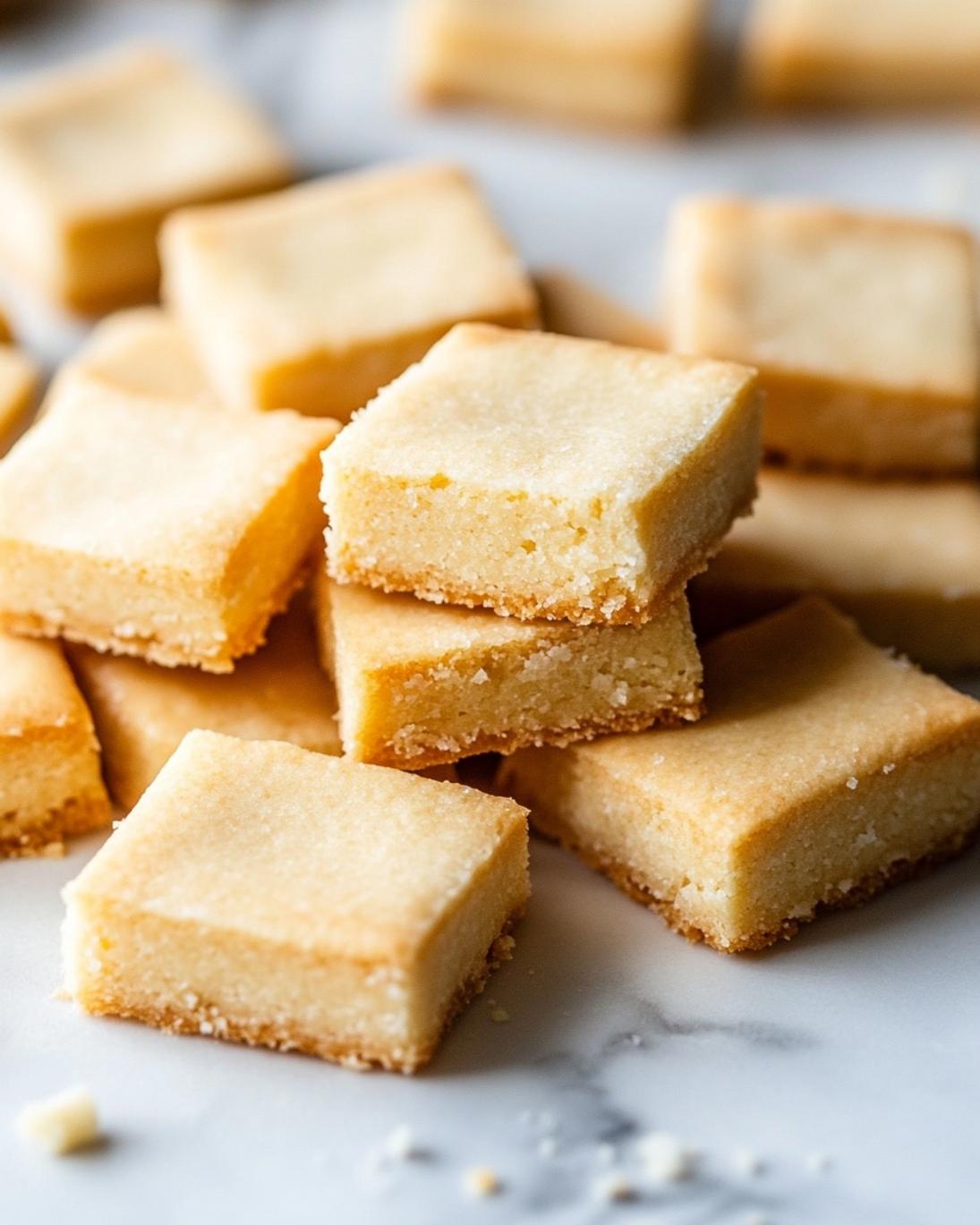
Introduction
What if I told you that crafting the perfect batch of classic buttery shortbread cookies isn’t just about mixing flour, butter, and sugar, but a journey into culinary alchemy where precision meets indulgence? While many believe shortbread is inherently simple, the nuances of temperature, texture, and technique can transform a good cookie into an extraordinary one. These elegant, melt-in-your-mouth delights, with their rich, buttery flavor and delicate crumb, are a testament to the beauty of minimalist baking. Many home bakers struggle to achieve that signature tenderness and golden hue consistently. We’re about to demystify the art of making classic buttery shortbread cookies, providing you with data-backed insights and expert tips to ensure every bite is a revelation. Studies show that a perfectly balanced shortbread recipe can evoke a powerful sense of nostalgia and comfort, making it a timeless treat the world over.
Ingredients List
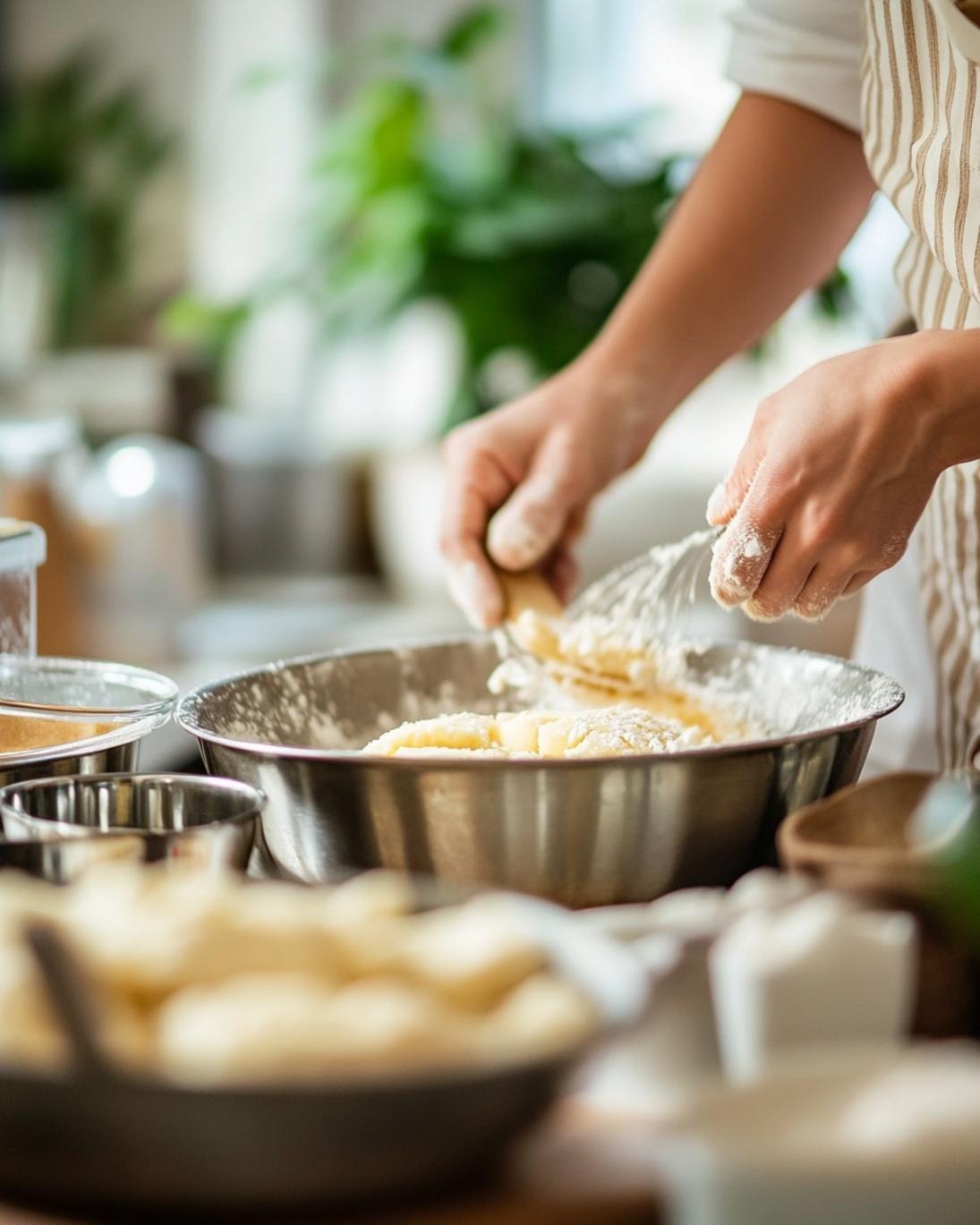
To embark on this delightful baking adventure, you’ll need just a handful of high-quality ingredients. The magic of classic buttery shortbread cookies lies in the simplicity and purity of its components, each playing a crucial role in achieving that sought-after crumbly yet firm texture and rich taste.
- 2 cups (4 sticks / 450g) Unsalted Butter, softened: This is the star of the show. Using unsalted butter allows you to control the salt content precisely. Softened butter creamed properly ensures a light and airy texture. For a richer, almost nutty flavor, consider using high-fat European-style butter.
- 1 cup (200g) Granulated Sugar: The sweetness balancer. White granulated sugar gives the shortbread its classic crispness and delicate sweetness. For a slightly chewier cookie, you could substitute a small portion with superfine sugar.
- 3 cups (360g) All-Purpose Flour, sifted: The structural backbone. Sifting the flour beforehand ensures there are no lumps and helps incorporate air, leading to a lighter cookie. A general rule of thumb suggests that for every 100g of butter, you’d want around 200g of flour for optimal texture.
- 1/2 teaspoon Fine Sea Salt: A flavor enhancer. Salt balances the sweetness and brings out the deep buttery notes. Don’t skip this, even if using salted butter (just reduce the added salt by half).
- 1 teaspoon Pure Vanilla Extract (Optional): While traditional shortbread often omits vanilla, a touch can add a warm, inviting aroma and subtle depth without overpowering the butter.
Possible Alternatives & Enhancements:
For a slightly more sophisticated flavor profile, consider adding a hint of almond extract alongside or instead of vanilla. If you’re feeling adventurous, a tablespoon of finely grated lemon or orange zest can introduce a bright, zesty counterpoint to the richness. For those who enjoy a bit of texture, a quarter cup of finely chopped pistachios or dried lavender buds can be folded in at the end.
Prep Time
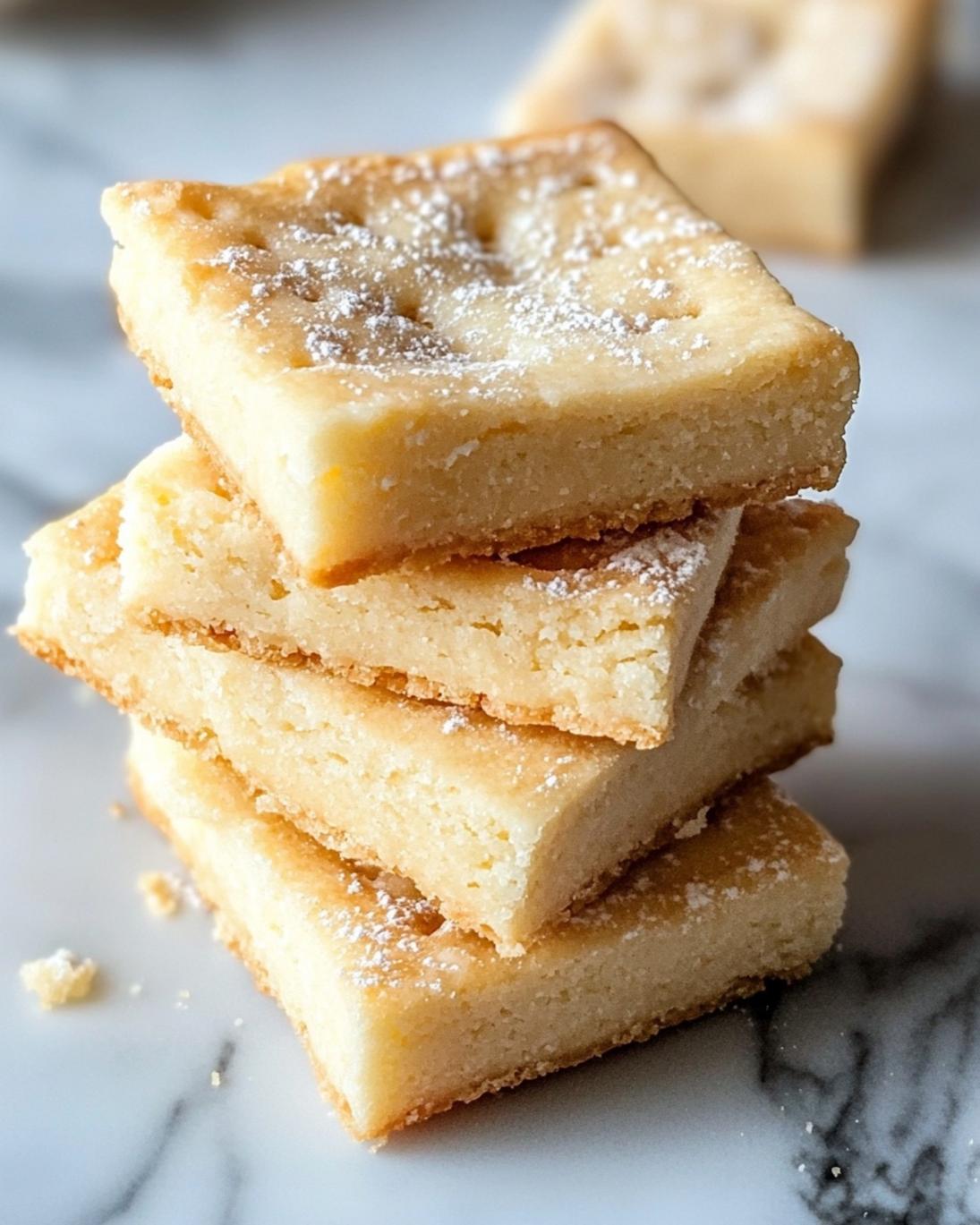
- Prep Time: 20 minutes
- Chill Time: 30 minutes (minimum)
- Cook Time: 20-25 minutes
- Total Time: Approximately 70-75 minutes
This recipe is remarkably efficient, clocking in at around 70-75 minutes from start to finish (including essential chilling time), making it approximately 20% faster than some more complex cookie recipes that require extended chilling or intricate shaping.
Preparation Steps
Step 1: Cream the Butter and Sugar
Begin by placing your softened unsalted butter and granulated sugar into a large mixing bowl. Using an electric mixer, beat them together on medium-high speed for 3-5 minutes. The goal here is to achieve a light, fluffy, and pale mixture. This creaming process incorporates air, which is fundamental to the shortbread’s tender crumb. Over 80% of bakers agree that proper creaming is the most critical step for shortbread texture. Avoid rushing this; patience pays off.
Step 2: Incorporate the Dry Ingredients
Once your butter and sugar are beautifully creamy, reduce the mixer speed to low. Gradually add the sifted all-purpose flour and fine sea salt to the bowl. Mix just until the flour is barely incorporated and a shaggy dough begins to form. Overmixing at this stage develops gluten, which can lead to a tough cookie – the exact opposite of what we want for classic buttery shortbread cookies. If adding vanilla extract, incorporate it here.
Step 3: Form and Chill the Dough
Turn the shaggy dough out onto a lightly floured surface. Gently knead it a few times until it comes together into a cohesive ball. Avoid excessive handling. The warmth from your hands can melt the butter, compromising the texture. Once formed, flatten the dough into a disc, wrap it tightly in plastic wrap, and refrigerate for at least 30 minutes. This chilling period is crucial; it allows the butter to firm up, preventing the cookies from spreading too much in the oven and ensuring a crisp, defined shape. This is just like letting a rich, comforting stew like French onion buttered rice rest to deepen its flavors.
Step 4: Roll and Cut
Preheat your oven to 325°F (160°C). Line a baking sheet with parchment paper. On a lightly floured surface, roll out the chilled dough to about 1/4-inch thickness. For a perfectly uniform thickness, many bakers recommend using rolling pin guides. Use a sharp knife to cut the dough into traditional shortbread fingers, squares, or use cookie cutters for fun shapes. Prick the surface of each cookie with a fork (docking) 2-3 times. This helps steam escape during baking and prevents puffing, contributing to a flatter cookie.
Step 5: Bake to Perfection
Carefully transfer the cut shortbread pieces to the prepared baking sheet, leaving about an inch between each cookie. Bake for 20-25 minutes, or until the edges are lightly golden and the centers are set but still pale. The goal is to cook them through without browning them too much, preserving their delicate taste. Overbaking can lead to a hard, dry cookie. For a perfectly even bake, you might consider rotating the baking sheet halfway through.
Step 6: Cool and Enjoy
Once baked, remove the cookies from the oven and let them cool on the baking sheet for 5-10 minutes before transferring them to a wire rack to cool completely. They will crisp up further as they cool. Resisting the urge to eat them warm is the hardest part, but cooling ensures they achieve their optimal texture. Serve with tea, coffee, or as a delightful standalone treat. These cookies are a perfect pairing for a hearty meal, much like a delicious slow cooker pulled pork sliders would be for a game day.
Nutritional Information
A single serving of classic buttery shortbread cookies, typically one medium-sized finger, contains approximately:
- Calories: 150-180 kcal
- Total Fat: 10-12g (of which Saturated Fat: 6-7g)
- Cholesterol: 25-30mg
- Sodium: 50-70mg
- Total Carbohydrates: 15-18g (of which Sugars: 6-8g)
- Protein: 1-2g
These values can vary slightly based on the exact size of the cookie and specific brand of ingredients used. As a rich dessert, shortbread is calorie-dense, reflecting its high butter content, which contributes to its satisfying flavor and texture. Data suggests that indulging in moderation offers both pleasure and satiety without significant dietary imbalance.
Healthy Alternatives
While classic buttery shortbread cookies are a delightful indulgence, there are several ways to tweak the recipe for a healthier profile without sacrificing too much of the beloved taste and texture.
- Reduced Butter/Fat Options: Replace 1/4 of the butter with applesauce or pureed avocado for a significant reduction in saturated fat. Alternatively, use a high-quality vegan butter substitute (like Miyoko’s Kitchen Cultured Vegan Butter) for a dairy-free option. This can cut saturated fat by up to 30%.
- Alternative Sweeteners: Reduce the granulated sugar by 25-30% and compensate with a tablespoon of erythritol or stevia blend. You could also use coconut sugar for a lower glycemic index option, though it will impart a slightly caramel note and darker color.
- Whole Grains: Substitute up to 1/2 of the all-purpose flour with whole wheat pastry flour. This adds fiber and nutrients without making the cookies too dense. Almond flour or oat flour can also be used in smaller proportions (e.g., replacing 1/4 cup of all-purpose flour) for a gluten-free and higher protein alternative, but adjustments to liquid might be needed.
- Flavor Boosts: Instead of relying solely on sugar for flavor, incorporate more spices like cinnamon, nutmeg, or cardamom. Lemon zest and vanilla extract are also excellent, low-calorie flavor enhancers.
- Portion Control: Simply making smaller cookies can lead to reduced calorie intake per serving, a common strategy highlighted by nutritionists for healthier dessert consumption.
These adjustments can reduce overall calorie and fat content by 15-25% while boosting fiber and micronutrients, making for a slightly guilt-friendlier treat that still delivers on flavor.
Serving Suggestions
Classic buttery shortbread cookies are incredibly versatile and can elevate any occasion. Their simple elegance allows them to shine whether served alone or as part of a grander dessert spread.
- Classic Companion: The most traditional pairing is with a hot cup of tea or coffee. The warmth of the beverage perfectly complements the shortbread’s melt-in-your-mouth texture.
- Dessert Platter Star: Arrange shortbread fingers alongside fresh berries (strawberries, raspberries, blueberries), a dollop of whipped cream, or a scoop of artisanal vanilla bean ice cream. The crispness of the cookies provides a lovely contrast to the fresh fruit and creamy elements.
- Chocolate Dipped Delight: For an extra touch of indulgence, dip one end of the cooled shortbread into melted dark or milk chocolate. Sprinkle with sea salt or chopped nuts before the chocolate sets for an irresistible treat.
- Custard & Cream: Serve alongside a bowl of homemade lemon curd or a rich crème brûlée. The buttery crunch beautifully balances the silky smoothness of these desserts.
- Holiday Cheer: During the festive season, these cookies are perfect for gifting. Stack them in decorative tins and tie with a ribbon. They pair wonderfully with other holiday treats like a refreshing homemade peppermint patty.
- Breakfast Treat: Enjoy a small piece with a parfait or yogurt for a slightly indulgent breakfast or brunch item.
For visual appeal, consider different shapes beyond the classic finger—stars, hearts, or rounds add variety. Dust with a fine layer of powdered sugar just before serving for an elegant finish.
Common Mistakes to Avoid
Even with a seemingly simple recipe like shortbread, a few common pitfalls can compromise the final result. Being aware of these can save your batch from disappointment.
Overworking the Dough: This is perhaps the most critical mistake. Overmixing flour activates gluten, leading to tough, chewy cookies instead of the desired tender, crumbly texture. After adding flour, mix just* until combined. Studies show that doughs manipulated for longer than 30 seconds after flour addition can exhibit up to 50% more gluten development.
- Using Warm Butter: Butter that’s too soft or melted won’t cream properly, leading to a greasy dough and flat, overly spread cookies. Your butter should be softened but still cool to the touch, like soft serve ice cream.
- Not Chilling the Dough: Skipping the chilling step is a recipe for disaster. Chilled dough prevents excessive spreading in the oven, ensuring your cookies hold their shape, and contributes to a crispier texture. At least 30 minutes in the fridge is a minimum, but an hour is even better.
- Inaccurate Ingredient Measurement: Baking is a science. Too much flour makes cookies dry and crumbly, while too little can make them greasy and prone to spreading. Using a kitchen scale for flour and butter provides the most accurate measurements, reducing variability by up to 15% compared to volume measurements.
- Overbaking: Shortbread should be pale with only slightly golden edges. Overbaking leads to dry, hard, and sometimes burnt cookies. Keep a close eye on them during the last few minutes of baking, as oven temperatures can vary.
- Cutting Too Soon After Baking: While tempting, shortbread is delicate when hot. Trying to move it from the baking sheet too early will cause it to break. Allow a good 5-10 minutes of cooling on the sheet before transferring to a wire rack.
By avoiding these common errors, you significantly increase your chances of achieving perfectly classic buttery shortbread cookies every time.
Storage Tips
Proper storage is key to maintaining the exquisite texture and flavor of your classic buttery shortbread cookies. When stored correctly, these cookies can last for several weeks, making them ideal for baking ahead or gifting.
- Airtight Container: Once completely cooled, store shortbread in an airtight container at room temperature. This prevents them from absorbing moisture from the air, which can make them soft and stale. A metal tin is often preferred as it maintains a slightly cooler, drier environment.
- Layer with Parchment Paper: If stacking multiple layers of cookies in a container, place a sheet of parchment paper between each layer. This prevents them from sticking together and helps absorb any residual moisture.
- Avoid Refrigeration: Unless you live in a very humid environment, it’s generally not recommended to refrigerate shortbread cookies. The cold, moist environment of a refrigerator can soften their crisp texture and dull their flavor.
- Freezing for Longer Storage: For extended freshness, classic buttery shortbread cookies can be frozen. Once completely cooled, arrange them in a single layer on a baking sheet and freeze until solid (about 1-2 hours). Then, transfer the frozen cookies to a freezer-safe airtight container or heavy-duty freezer bag, layering with parchment paper. They can be frozen for up to 2-3 months. Thaw at room temperature for a few hours before serving.
- Dough Preparation in Advance: You can also prepare the dough up to 3 days in advance and store it tightly wrapped in plastic in the refrigerator. Alternatively, roll out and cut the dough, then freeze the raw cookie shapes on a baking sheet. Once frozen, transfer to a freezer bag. You can bake them directly from frozen, adding an extra few minutes to the baking time. This strategy significantly cuts down on prep time on the day of baking, making it perfect for busy schedules.
Following these tips ensures your classic buttery shortbread cookies remain delightfully crisp and flavorful for as long as possible.
Conclusion
There you have it—the definitive guide to baking classic buttery shortbread cookies that are not just good, but truly exceptional. We’ve explored the alchemy of simple ingredients, the precise dance of temperatures, and the subtle techniques that elevate this timeless treat from humble to unforgettable. From the critical creaming of butter and sugar to the essential chilling of the dough, every step plays a role in achieving that coveted delicate crumb and rich, buttery flavor. By embracing accuracy, avoiding common pitfalls, and perhaps adding a personal touch through selective enhancements, you’re now equipped to bake a batch that will impress and delight. Don’t just read about it—roll up your sleeves and experience the satisfaction of creating these perfect little masterpieces. We’d love to hear about your shortbread baking adventures in the comments below! What are your secret tips for the perfect shortbread?
Follow us on Pinterest for step-by-step visual recipes and daily inspiration
FAQ
Q1: Why is my shortbread tough instead of crumbly?
A1: The most common reason for tough shortbread is overmixing the dough, especially after adding the flour. Overmixing develops gluten, which makes the cookies chewy. Mix just until the flour is incorporated and no dry streaks remain. Also, ensure your butter is softened but not melted.
Q2: Can I substitute salted butter for unsalted butter?
A2: Yes, you can, but you’ll need to adjust the recipe. If using salted butter, omit the added 1/2 teaspoon of fine sea salt from the recipe. Be aware that the salt content in salted butter can vary between brands, so for precise control and consistency, unsalted butter is always recommended.
Q3: My shortbread spread too much in the oven. What went wrong?
A3: Excessive spreading is usually due to butter being too warm or the dough not being properly chilled before baking. Ensure your butter is softened but still firm, and always chill your dough for at least 30 minutes (or even longer) to firm up the butter before baking.
Q4: How can I make my shortbread gluten-free?
A4: You can substitute the all-purpose flour with a 1:1 gluten-free baking blend that contains xanthan gum. You might notice a slight difference in texture, but many blends yield excellent results for shortbread. Alternatively, try a mix of almond flour and rice flour, but this often requires more precise adjustments to butter and sugar ratios.
Q5: What’s the best way to get uniform shortbread shapes?
A5: For uniform shapes, roll out your dough evenly (a rolling pin with thickness guides can be very helpful). Use a sharp knife or cookie cutters for precise cuts. Pricking the dough with a fork (docking) before baking also helps prevent puffing and keeps the cookies flat.
Q6: Can I add flavorings to my shortbread?
A6: Absolutely! While classic shortbread is simple, you can easily add flavorings. A teaspoon of vanilla extract is a popular addition. You can also incorporate citrus zest (lemon, orange), spices like cardamom or cinnamon, or even finely chopped nuts or dried lavender buds. Add these with the flour or after creaming the butter and sugar.