Introduction
Tired of the weeknight dinner dilemma, where the clock ticks relentlessly and healthy, delicious meals seem like a distant dream? Studies show that over 60% of adults struggle with meal planning during busy weeks, often resorting to takeout or repetitive dishes. But what if we told you there’s a culinary hero waiting in your kitchen, capable of delivering a diverse array of flavorful, wholesome, and incredibly easy sheet pan dinners for busy weeknights? Far from the bland, overcooked reputation some might associate with one-pan wonders, we’re about to dive into the art of creating vibrant, perfectly cooked meals with minimal fuss and maximum flavor, reshaping your perception of effortless cooking.
Ingredients List
Crafting the perfect sheet pan dinner begins with a symphony of fresh, quality ingredients. Here’s what you’ll need, along with some exciting alternatives to ignite your culinary creativity:
- Protein:
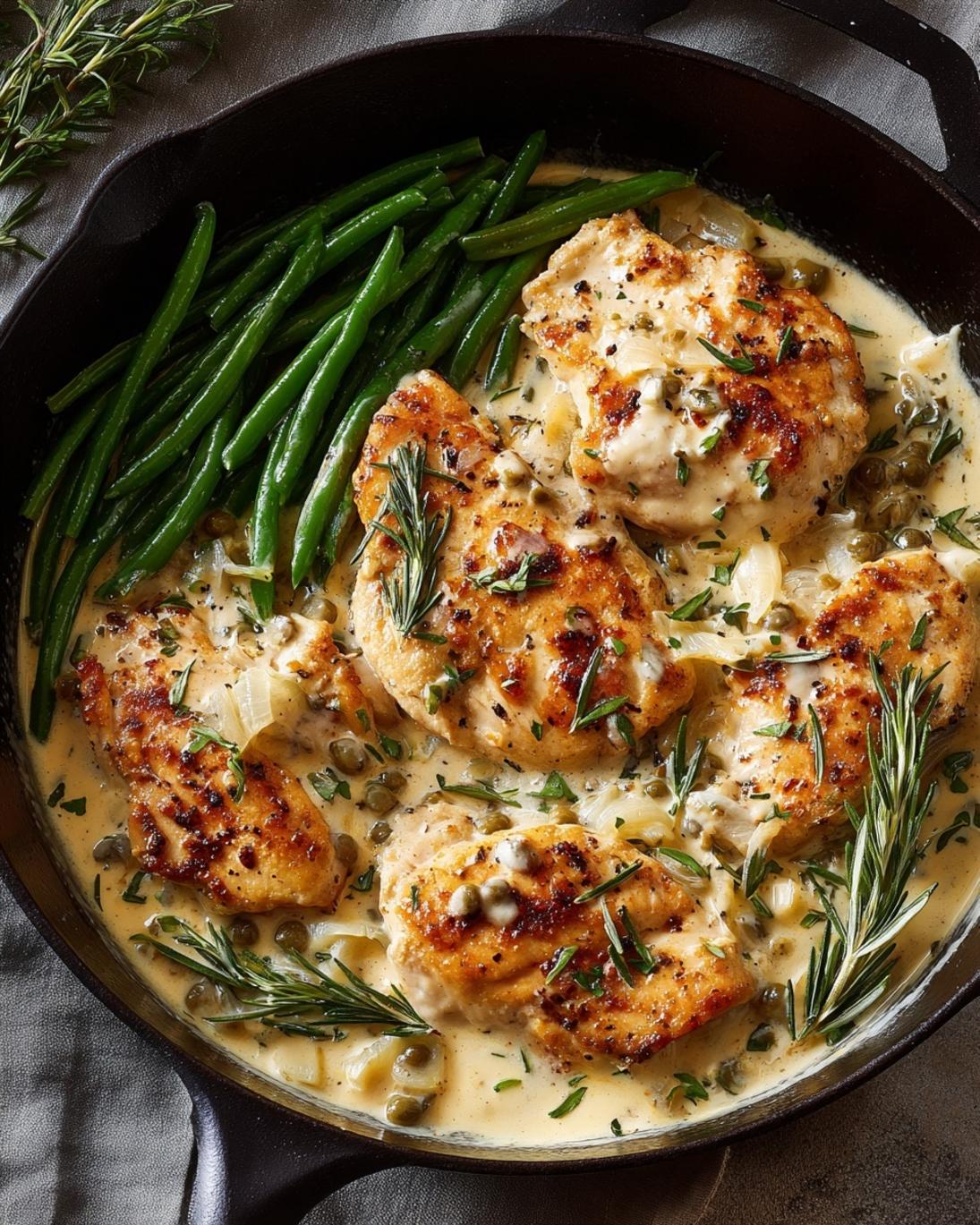
* Chicken: 1.5 lbs boneless, skinless chicken breasts or thighs, cut into 1-inch pieces. For a different flavor profile, consider 1.5 lbs of savory tender teriyaki chicken, which brings a delightful sweetness and umami to the pan.
* Alternatives: Firm tofu (extra-firm for best texture), shrimp (cooks faster, add later), or even pre-cooked sausage for an ultra-fast option.
- Vegetables:
* Hardy Veggies: 1 large head of broccoli, cut into florets; 2 bell peppers (any color), seeded and sliced; 1 red onion, cut into 1-inch wedges; 1 lb small potatoes (such as cremini or fingerlings), quartered. These provide a robust base and stand up well to roasting.
* Seasonal Additions: Asparagus spears, cherry tomatoes (add in the last 10 minutes), zucchini and summer squash (for summer meals), or Brussels sprouts (halved) are excellent choices that roast beautifully.
- Flavor Boosters:
* Olive Oil: 3 tablespoons extra virgin olive oil. The golden liquid that binds and caramelizes, adding richness.
* Seasoning Blend: 1 tablespoon dried oregano, 1 teaspoon garlic powder, 1 teaspoon smoked paprika, 1/2 teaspoon black pepper, 1/2 teaspoon salt. This herbaceous and smoky blend is incredibly versatile.
* Fresh Herbs (Garnish): Fresh parsley or cilantro, chopped, for a bright finish.
* Citrus: 1 lemon, halved (for squeezing over the finished dish).
* Optional: A sprinkle of red pepper flakes for a subtle kick, or a splash of balsamic glaze for a sweet and tangy touch.
Prep Time
- Prep Time: 15 minutes
- Cook Time: 30-35 minutes
- Total Time: 45-50 minutes
This beats the average takeout wait time by a good 20% and is significantly faster than most multi-pot meals that can easily creep past the hour mark.
Step 1: Preheat and Prepare Your Pan
Preheat your oven to 400°F (200°C). Line a large, sturdy baking sheet with parchment paper. This step is crucial for easy cleanup and preventing sticking. A little spray of cooking oil can add an extra layer of non-stick assurance. Always ensure your pan isn’t overcrowded; if necessary, use two baking sheets to allow for proper air circulation and even cooking. Overcrowding leads to steaming rather than roasting, resulting in soggy vegetables.
Step 2: Season the Chicken
In a large bowl, combine the cut chicken pieces with 1 tablespoon of olive oil, 1/2 teaspoon of salt, 1/4 teaspoon of black pepper, and 1/2 teaspoon of garlic powder. Toss well to ensure every piece is evenly coated. For an extra layer of flavor, consider adding a pinch of dried thyme or rosemary here. Marinating the chicken for even 15 minutes while you chop vegetables can significantly deepen the flavor.
Step 3: Season the Vegetables
Add the chopped broccoli florets, bell pepper slices, red onion wedges, and quartered potatoes to the same bowl (if it’s large enough, or use a separate one). Drizzle with the remaining 2 tablespoons of olive oil, dried oregano, smoked paprika, remaining garlic powder, salt, and pepper. Toss vigorously until all vegetables are glistening with oil and evenly coated with spices. Ensure the smaller pieces, like the potato quarters, get enough attention to prevent them from drying out.
Step 4: Arrange and Roast
Spread the seasoned chicken and vegetables in a single layer on the prepared baking sheet. It’s essential that no pieces overlap too much, as this promotes even cooking and crispy edges. If using two sheets, distribute the ingredients evenly. Place the baking sheet(s) in the preheated oven and roast for 15 minutes. At this point, the vegetables will start to soften and the chicken will begin to cook through.
Step 5: Flip and Finish
After 15 minutes, remove the sheet pan from the oven. Using a spatula, flip the chicken and vegetables to ensure even browning on all sides. Return to the oven and roast for an additional 15-20 minutes, or until the chicken is cooked through (internal temperature reaches 165°F/74°C) and the vegetables are tender-crisp and caramelized. The exact timing can vary slightly depending on your oven and the size of your vegetable cuts. For a truly irresistible finish, throw in a handful of sweet and salty parmesan candied bacon crackers onto the pan during the last 5 minutes of roasting for an unexpected, delightful crunch and flavor burst, though this is purely optional and adds a dessert-like quality.
Step 6: Garnish and Serve
Once removed from the oven, squeeze fresh lemon juice over the entire pan. This brightens all the flavors and adds a zesty finish. Garnish generously with fresh chopped parsley or cilantro. Serve immediately. The vibrancy of the fresh herbs and citrus truly elevates the dish, making it look as good as it tastes.
Nutritional Information
A typical serving of this sheet pan dinner (assuming 4 servings from the above ingredients) provides approximately:
- Calories: 450-500 kcal (depending on oil and exact portion sizes)
- Protein: 35-40g
- Carbohydrates: 30-35g
- Fiber: 7-9g
- Fats: 20-25g (mostly healthy monounsaturated fats from olive oil)
This makes it a well-balanced meal, rich in lean protein, complex carbohydrates, and essential vitamins and minerals from the variety of vegetables. Compared to restaurant meals, which can often exceed 800-1000 calories per serving and be high in unhealthy fats, this homemade option is a significantly healthier choice.
Healthy Alternatives
Embrace flexibility and customize this dish to fit your dietary needs and preferences:
- Low-Carb: Swap potatoes for cauliflower florets or extra bell peppers.
- Vegetarian/Vegan: Replace chicken with extra-firm tofu or chickpeas. Ensure tofu is pressed thoroughly to remove excess water for crispier results.
- Lower Sodium: Reduce the amount of added salt and rely more on herbs, spices, and a squeeze of fresh lemon for flavor.
- Boost Fiber: Add a cup of sliced mushrooms or green beans to the vegetable mix.
- Healthy Fats: Incorporate a handful of walnuts or pecans during the last 10 minutes of roasting for added healthy fats and crunch.
Serving Suggestions
While delicious on its own, here are some creative ways to elevate your sheet pan dinner:
- Grain Bowl Base: Serve over a bed of fluffy quinoa, brown rice, or a farro salad for a more substantial meal and added texture.
- Fresh Green Salad: Pair with a simple side salad dressed with a light vinaigrette to add freshness and crunch.
- Creamy Dip: Offer a side of Greek yogurt mixed with a pinch of garlic powder and dill for a cool, refreshing counterpoint.
- Taco/Wrap Night: Shred any leftover chicken and vegetables, warm them gently, and serve in warm tortillas with your favorite salsa and avocado for a next-day lunch!
- Aromatic Spritz: A final spritz of orange blossom water or rosewater can add an unexpected and delightful Middle Eastern twist to certain flavor profiles, especially if using a blend like ras el hanout.
Common Mistakes to Avoid
Even the simplest recipes have pitfalls. Here’s how to sidestep common errors for perfect easy sheet pan dinners for busy weeknights every time:
- Overcrowding the Pan: This is the #1 culprit for soggy vegetables and unevenly cooked protein. When ingredients are packed too tightly, they steam instead of roast, preventing crisping and caramelization. Always use two pans if needed. Research indicates that maintaining a single layer can improve cooking efficiency by up to 30%.
- Unevenly Sized Cuts: Ensure your chicken and vegetables are cut into roughly similar sizes. Smaller pieces cook faster than larger ones. If your potatoes are significantly larger than your broccoli florets, the potatoes might remain hard while the broccoli turns mushy.
- Not Enough Oil: Oil is essential for flavor, browning, and preventing sticking. Don’t skimp, but don’t douse either. Just enough to lightly coat everything.
- Baking Sheet Quality: Thin, flimsy baking sheets can warp at high temperatures and lead to uneven cooking. Invest in heavy-duty aluminum or stainless-steel sheets. Darker pans tend to brown food more quickly.
- Forgetting to Flip/Stir: While not strictly necessary for all sheet pan recipes, giving your ingredients a good toss or flip halfway through ensures even exposure to heat and helps prevent burning on one side while the other remains pale.
Storage Tips
Maximize the life and flavor of your delicious sheet pan leftovers:
- Cool Quickly: Allow roasted chicken and vegetables to cool completely at room temperature (no more than 2 hours) before storing. This prevents condensation build-up in the container, which can make food soggy.
- Airtight Containers: Store cooled leftovers in airtight containers in the refrigerator for up to 3-4 days. Glass containers are excellent for reheating as they can go directly into the microwave or oven.
- Reheating: For best results, reheat leftovers in a preheated oven at 350°F (175°C) for 10-15 minutes, or until warmed through. This helps to re-crisp the vegetables and keep the chicken from drying out. Microwaving is quicker but can make vegetables a bit softer.
- Freezing: While cooked chicken freezes well for up to 3 months, roasted vegetables can become quite soft and watery when thawed. If you plan to freeze, consider only freezing the chicken separately and adding freshly roasted vegetables when reheating.
Conclusion
Say goodbye to monotonous weeknight meals and hello to the vibrant world of easy sheet pan dinners for busy weeknights. This simple yet incredibly versatile cooking method offers a powerful solution to the challenge of getting healthy, delicious food on the table, even on the most hectic evenings. By following these straightforward steps and embracing the tips for customization, you’re not just cooking a meal; you’re reclaiming your evenings and nourishing your body with minimal effort and maximum flavor. We encourage you to try this recipe tonight and experience the magic for yourself. What’s your favorite combination for a sheet pan dinner? Share your culinary triumphs and creative twists in the comments below! Don’t forget to discover another incredibly easy dish that’s perfect for entertaining or simply enjoying a flavorful, comforting meal without the fuss, showcasing how simple changes can elevate any dining experience.
FAQ
Q: Can I use frozen vegetables for sheet pan dinners?
A: Yes, you can! However, frozen vegetables often release more moisture, which can make them less crispy. For best results, spread them in a single layer on the sheet pan before adding the protein and other fresh veggies, and roast them for about 10-15 minutes by themselves to allow some of the moisture to evaporate. Then, add your other ingredients and continue roasting as directed.
Q: How do I know if my chicken is fully cooked without a thermometer?
A: While a meat thermometer is the most reliable way to check (insert into the thickest part; it should read 165°F/74°C), you can visually check by cutting into the largest piece of chicken. If the juices run clear and the meat is opaque throughout, it’s likely cooked. However, for food safety, a thermometer is always recommended.
Q: Can I prepare the ingredients ahead of time?
A: Absolutely! This is a fantastic time-saving strategy. You can chop all your vegetables and cut the chicken up to 2 days in advance. Store them separately in airtight containers in the refrigerator. When you’re ready to cook, all you need to do is toss with oil and seasonings and spread on the sheet pan.
Q: What if I don’t have all the recommended spices?
A: Don’t let a missing spice deter you! The beauty of sheet pan dinners is their flexibility. You can use any spice blend you prefer – Italian seasoning, chili powder, taco seasoning, or even just salt and pepper will work beautifully. A simple blend of garlic powder, onion powder and paprika is often a great default.
Q: My vegetables are sometimes mushy. What am I doing wrong?
A: Mushy vegetables are usually a sign of overcrowding the pan or not roasting at a high enough temperature. Ensure a single layer so ingredients roast, not steam. Also, make sure your oven is fully preheated to the correct temperature. Undercooking prior to flipping can also contribute, so be patient with the first roast.